
recovery: the art of rest and letting go


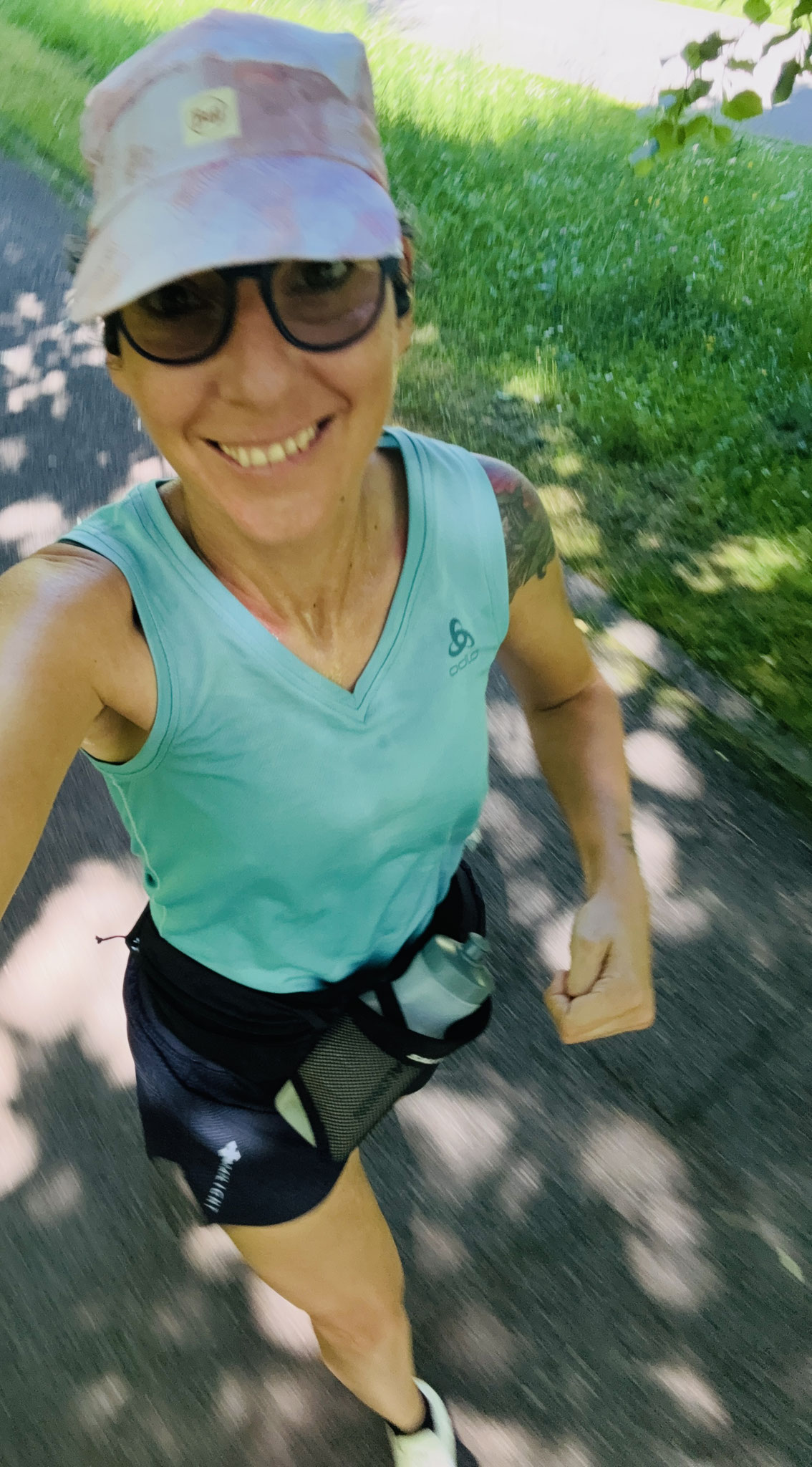


After the 24-hour race "Mäschder Drehwurm" (Katjas Laufzeit) on 10 April, it took about 5–6 weeks before I was fully recovered, both physically and mentally, and felt stronger than before the race.
Is it a sign of weakness if you don't immediately go full speed ahead and throw yourself into the next adventure?
I would attribute a key role to recovery, describing it as the art of appropriately recovering physically and mentally after a training phase lasting weeks or months and a competition.
It is a “letting go” of a particular phase in which you worked hard toward your goals and pushed yourself to the limit. However, I would argue that it goes far beyond that. Long, intensive training phases and special, important races also influence personal development because you engage deeply with yourself. You are confronted with your weaknesses and strengths and repeatedly transcend your abilities. I emerge from such a phase with valuable new insights and as a "richer" person. However, to grow from this experience, I need distance and must "let go" before I can focus fully on something new. Perhaps it's simply because certain races and the training weeks leading up to them are important to me and represent something special. I only participate in a few competitions and choose my races carefully. This makes them "matters close to my heart" rather than just races I've participated in once.
For me, however, recovery doesn't mean stopping running altogether and just lazing around on the sofa, even though on some days I naturally "hang around" and do nothing at all. During this time, I focus on sports nutrition. Since I prepare my own food for training sessions and races due to my food allergies, I use the "run-free" time to try out new recipes and ideas, which I then test and refine. These include for example special "sports cakes," homemade muesli bars, home-roasted salted almonds and vegetable bouillon made from dried vegetables.
During this recovery phase, I slowly increase my training volume, paying close attention to my body’s signals. If I’m very tired and my legs still feel heavy, I allow myself more rest. Motivation is also a key factor. If even 5 or 10 km feel endless and I'm not enjoying it, then I'm not mentally ready yet, so I take it down a bit.
What was the recovery process like after the "Mäschder Drehwurm"?
Week 1: Stretching and 20 km of walking
Week 2: Stretching and 40 km of running (maximum 15 km, flat terrain), plus two hours of walking.
Week 3: Same as week two because I still didn’t feel recovered. I was tired and unmotivated.
Week 4: Stretching and 60 km of running (maximum 30 km distance, interval training, and recovery runs on flat terrain only).
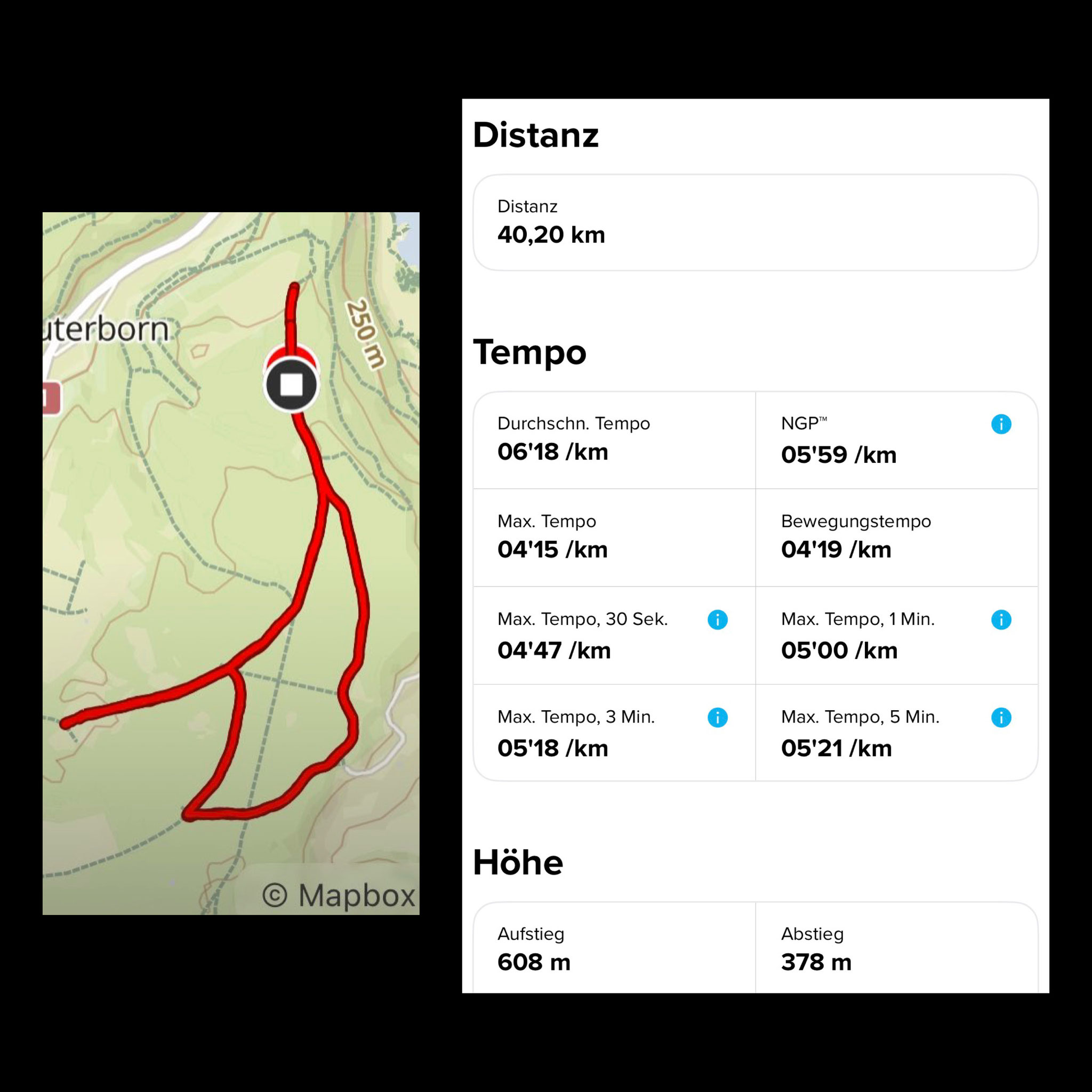
From week five onward, I felt fully recovered by the end of the week. I ran 20 km and 40 km of trail running on the weekend. I really enjoyed the 40 km run!
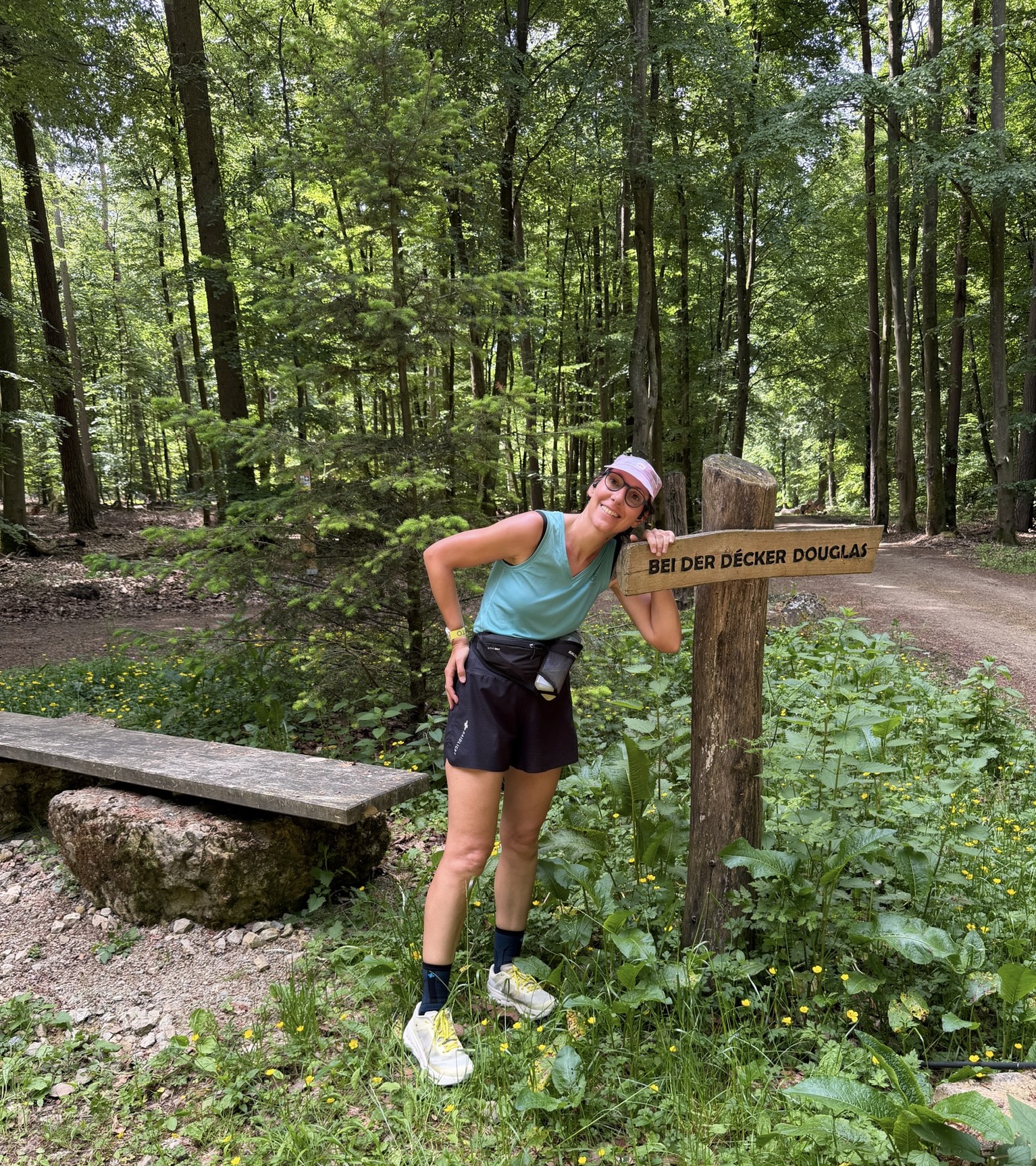
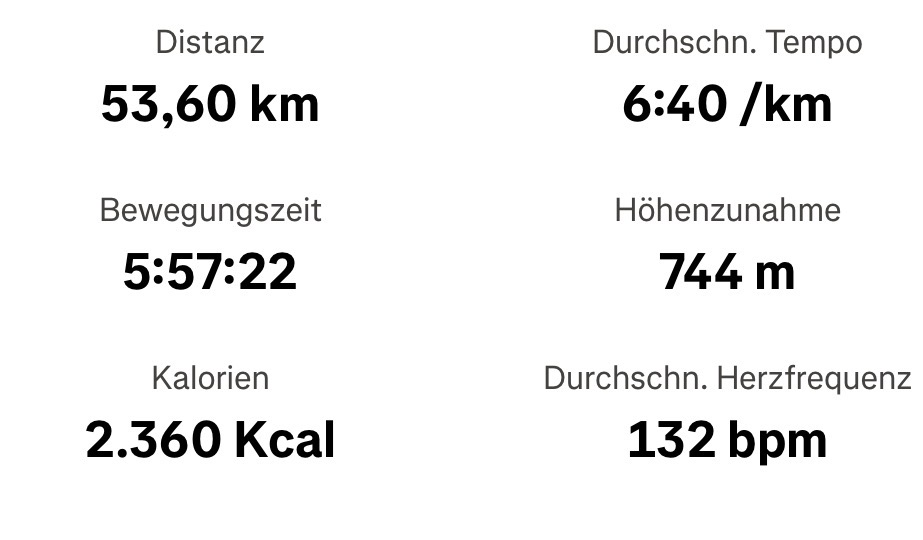
Week 6 was another typical 100+ km training week with one interval session, two easy 20 km runs, and a 55 km trail run.
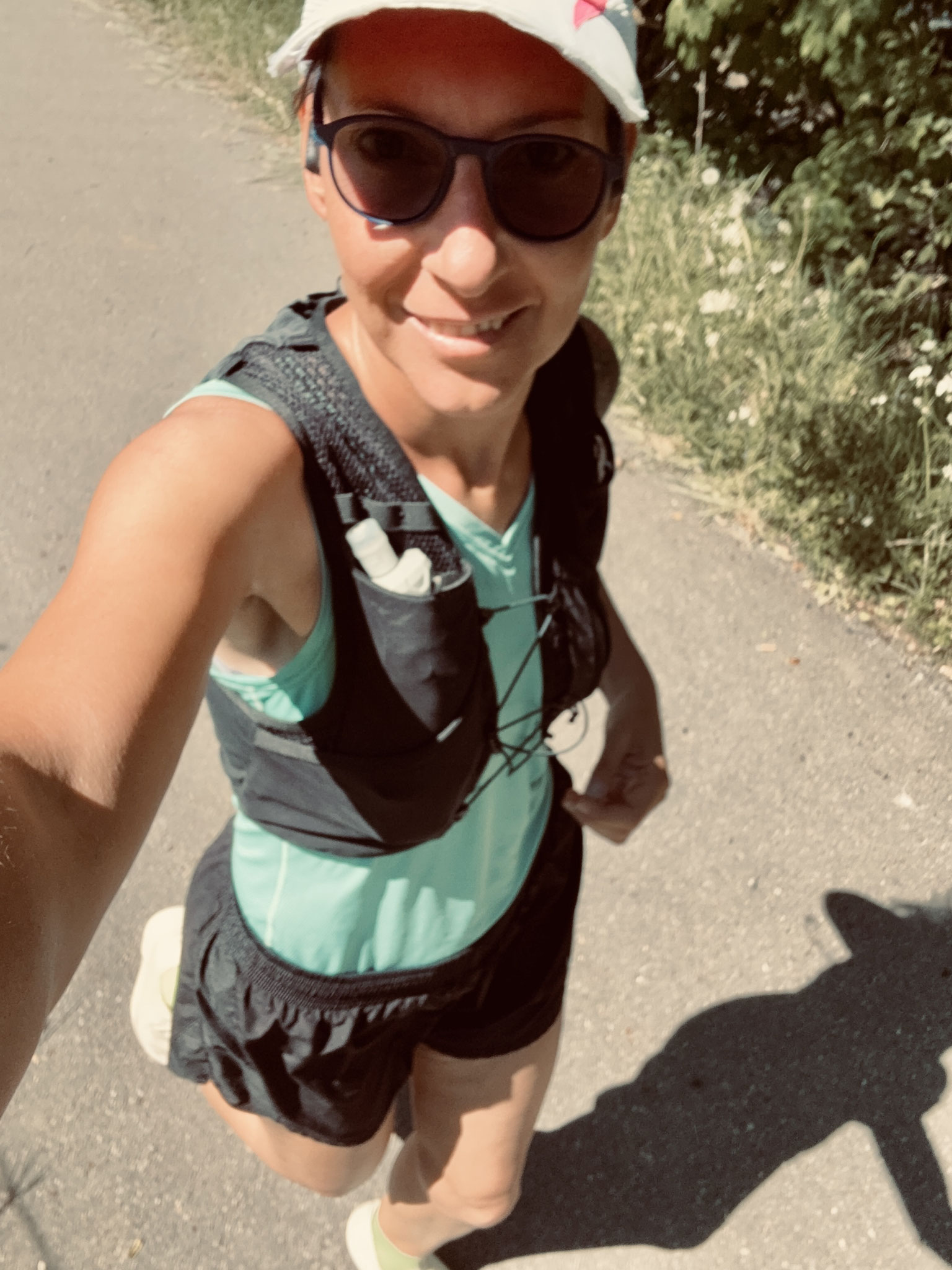
From weeks 5–6, I was back in "ultra mode," evident from my heart rate staying in the 120–130 range, excluding tempo runs, of course. These long runs with a low heart rate are characterized by steady, slow running for several hours. I trained for the last 24-hour runs and the Backyard Ultras this way. I feel at ease during these sessions. That's when I'm completely "in my element." These training runs motivate me and give me mental and physical strength.
Over the last six weeks, I have gradually transitioned from an intensive winter training phase and an unforgettable 24-hour run to a new summer training phase. In a week, the Westerwälder Backyard Ultra, organized by Katjas Laufzeit, is coming up. This year, however, the BYU is "just" a training run for the Al Andalus Ultimate Trail in July, which is a five-day run covering 230 kilometers with 6,600 meters of elevation gain through the burning heat of Andalusia (see also my reports of the AAUT 2021 and 2023). The good things: I’m starting the BYU with no expectations or pressure. I’ll simply run for as long as it feels pleasant, without pushing myself to my absolute limits. Otherwise, the lack of recovery could become challenging for the Al Andalus. The bad things: Nothing!
I’m looking forward to both races!