
AL ANDALUS ULTIMATE TRAIL 2021
The AAUT taught me something very important and gave me a valuable ability: to see the world through my heart.

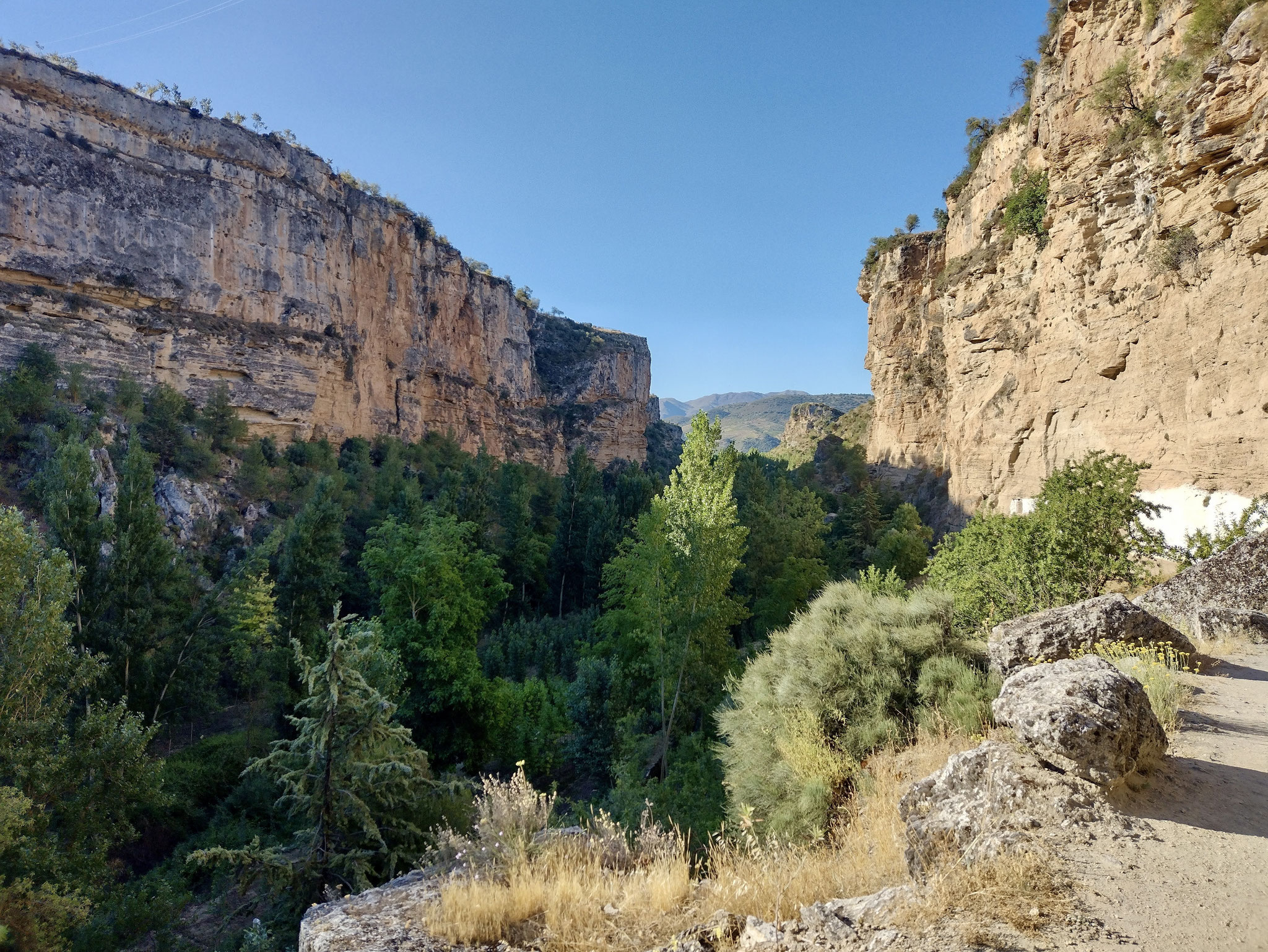
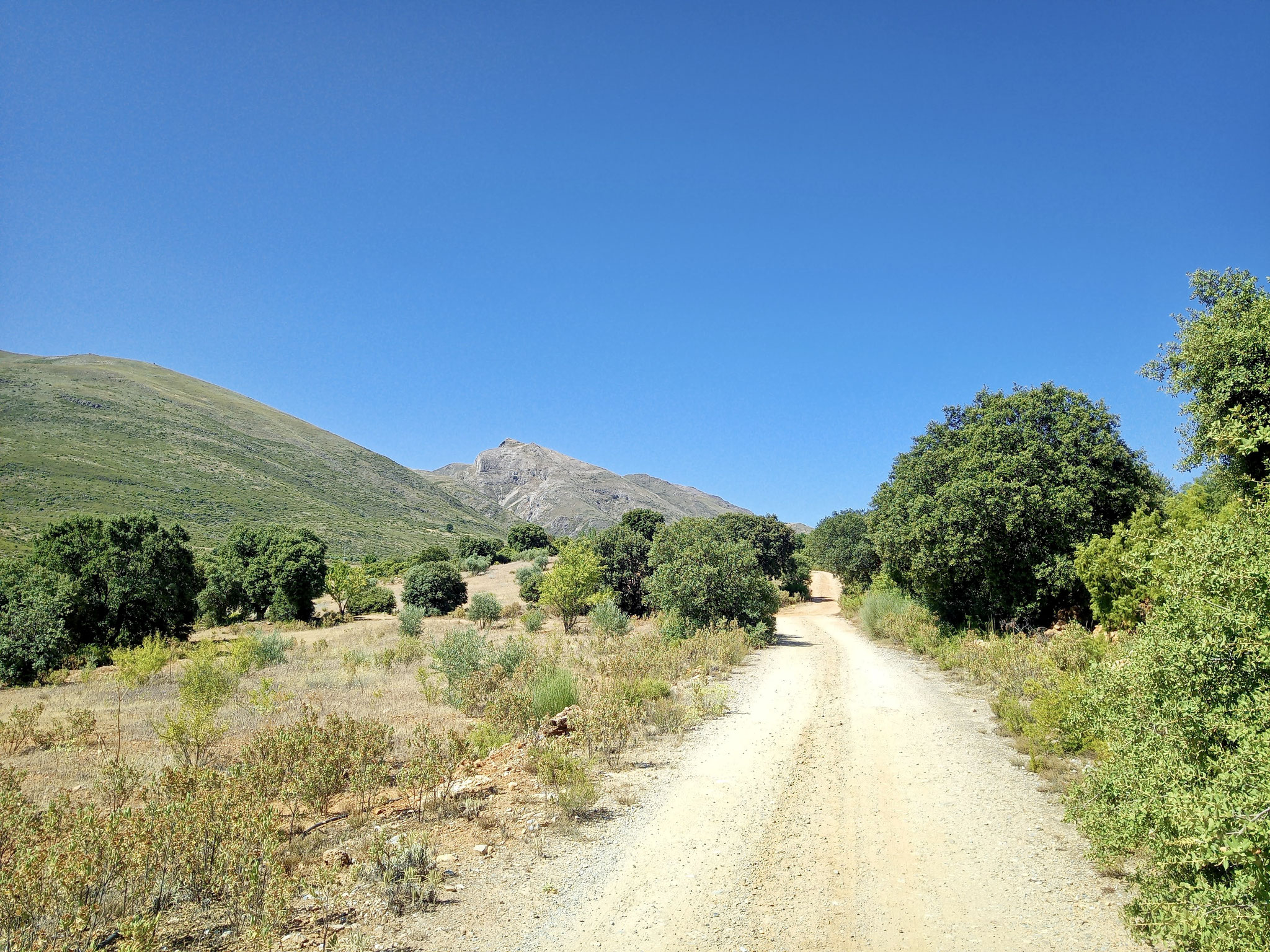
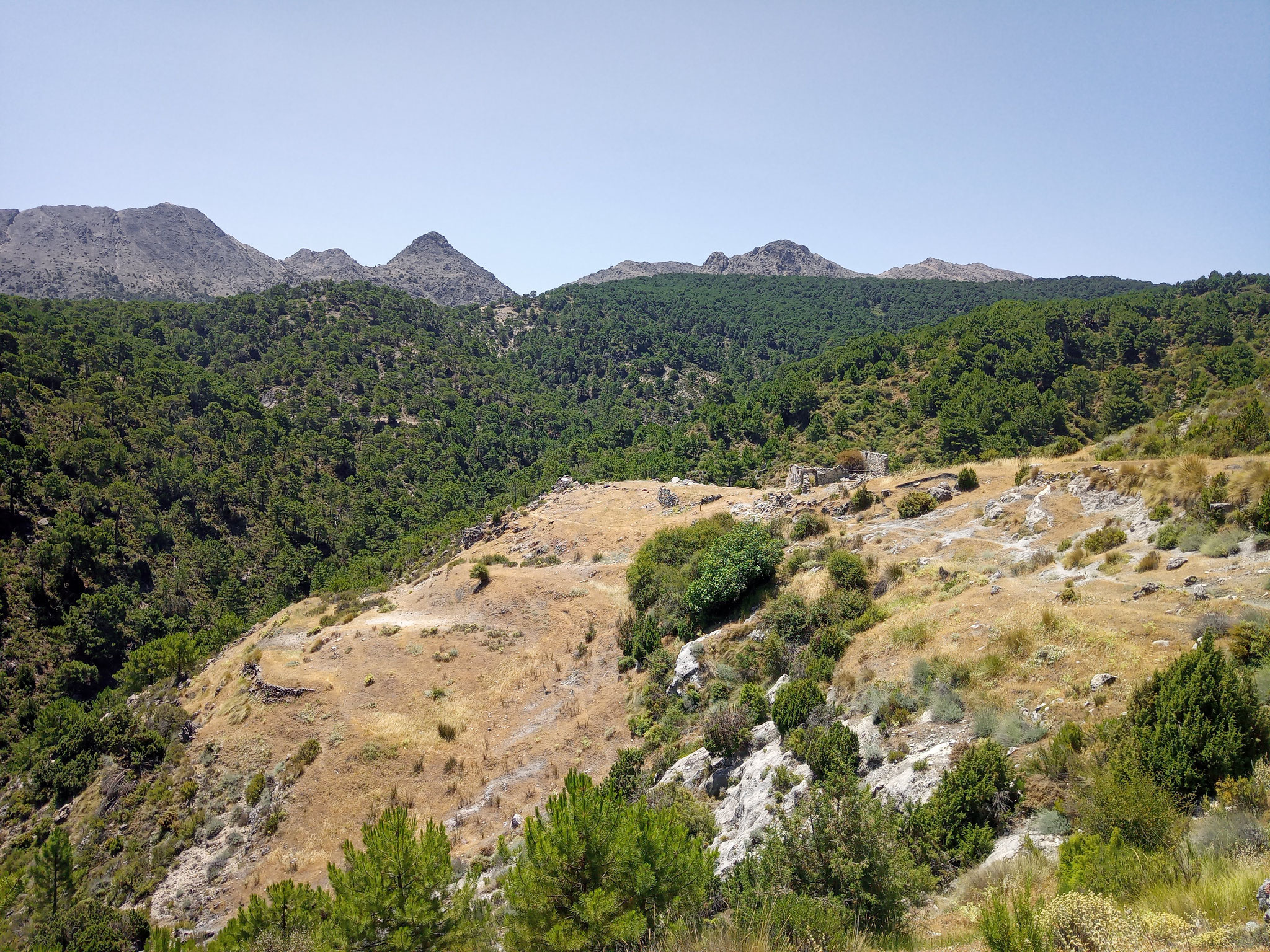
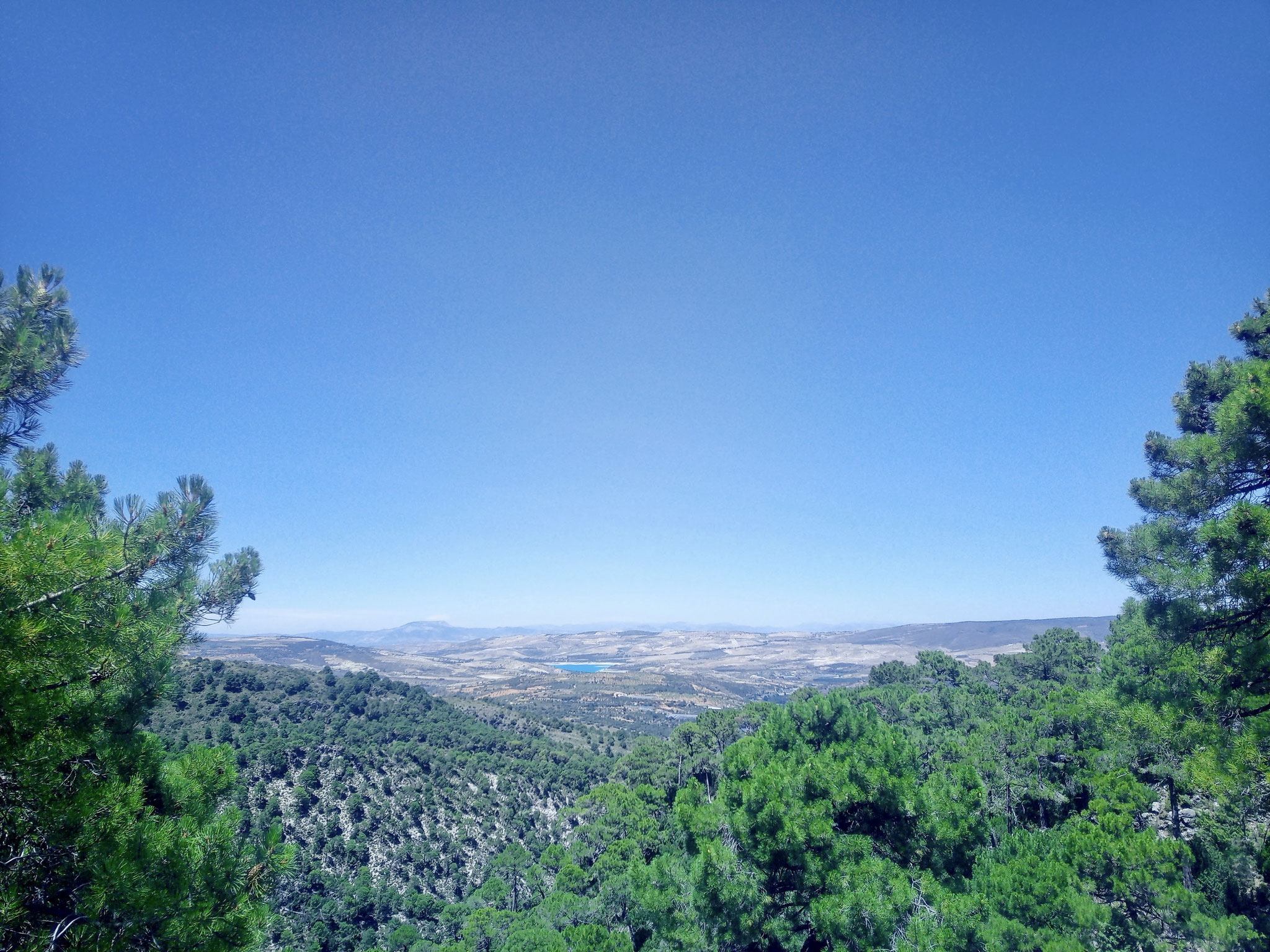
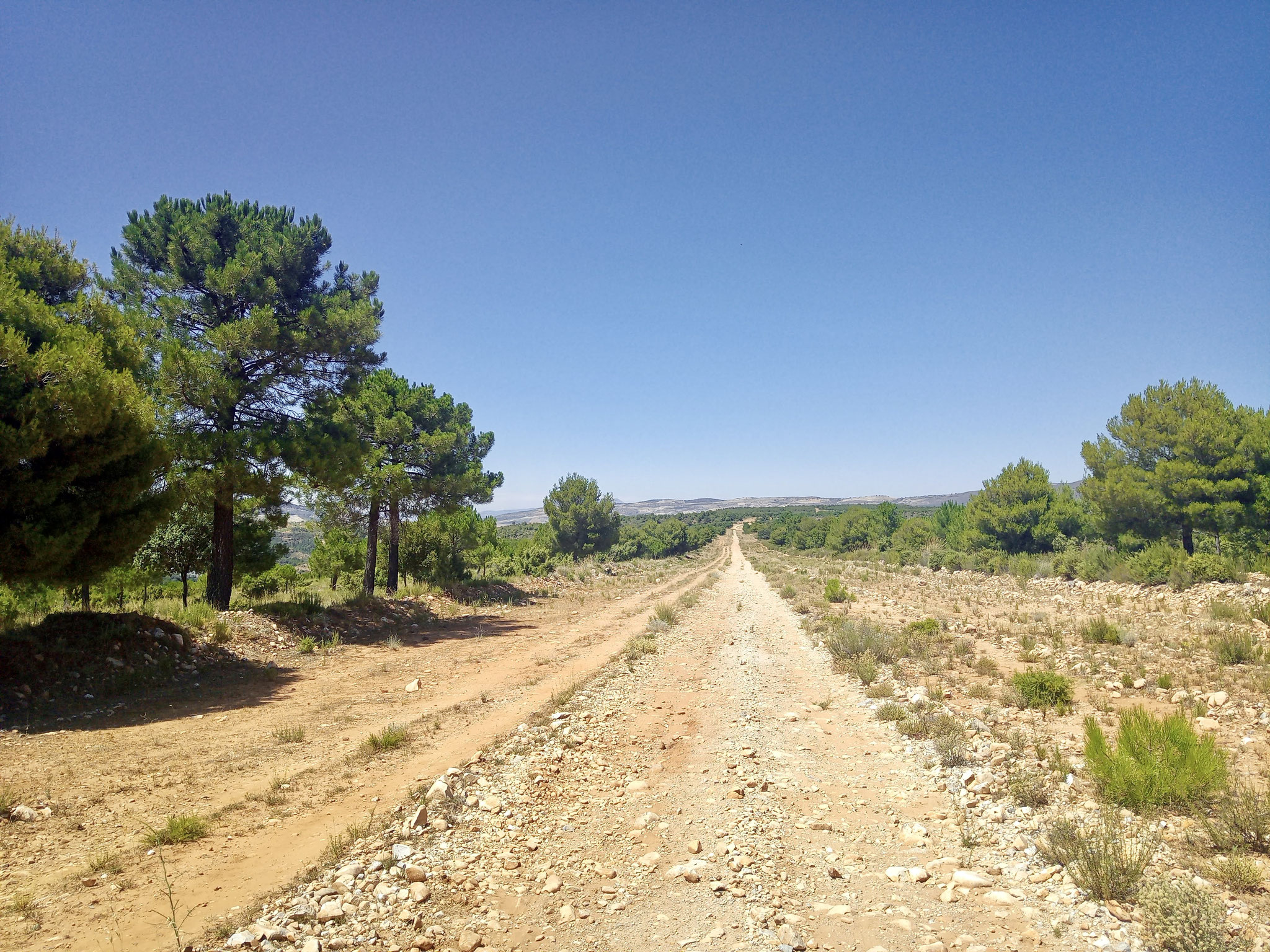
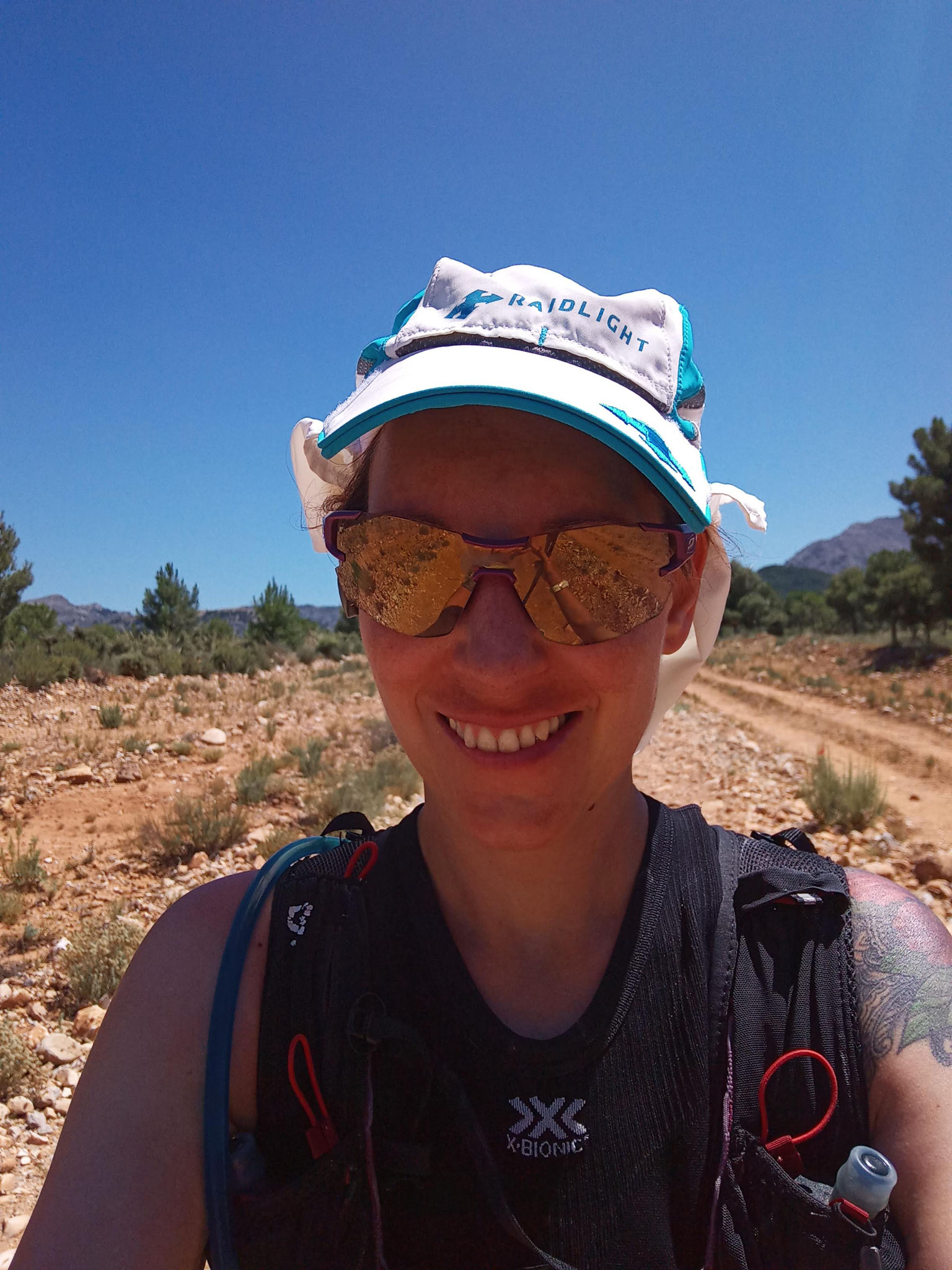

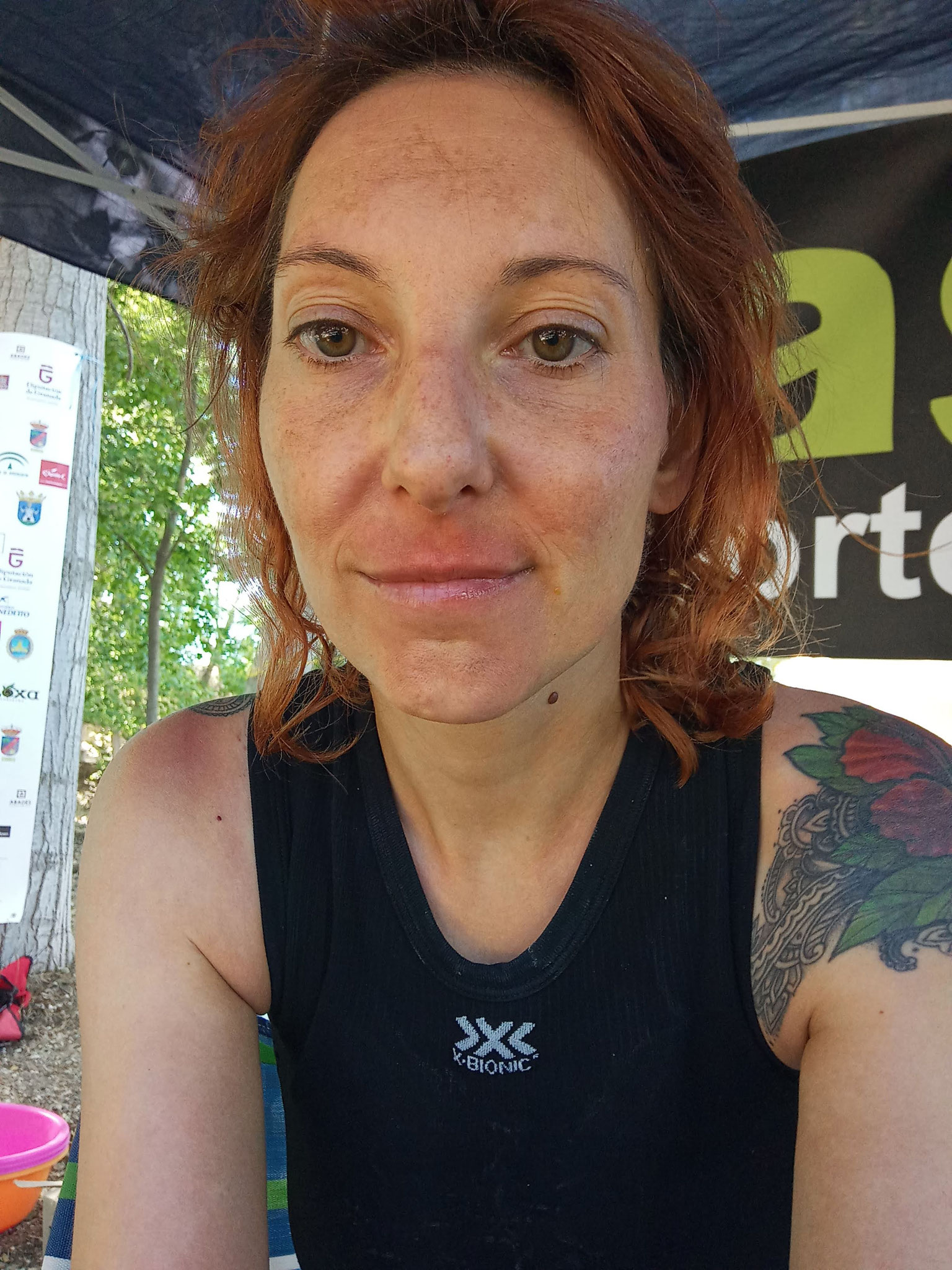
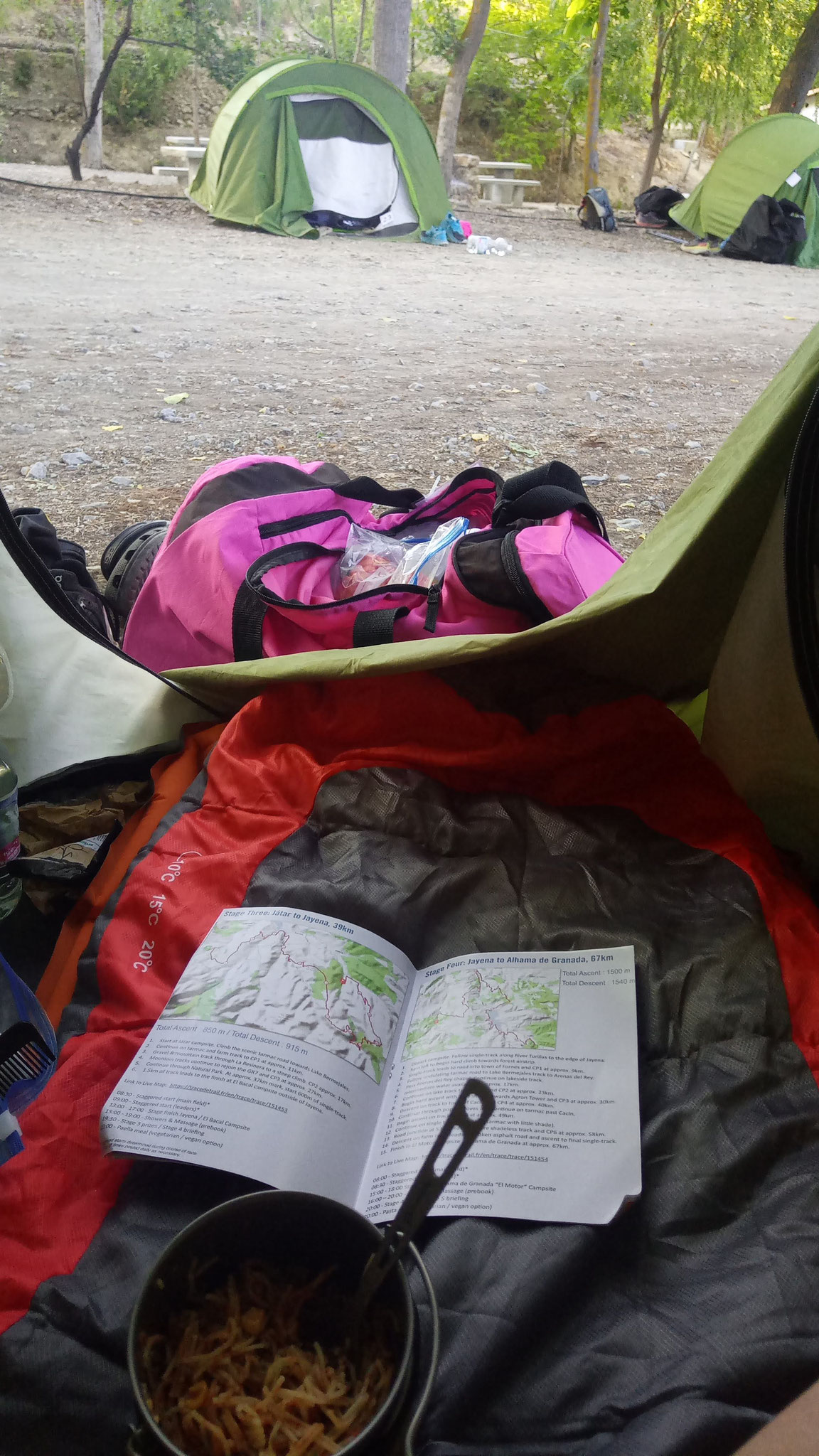
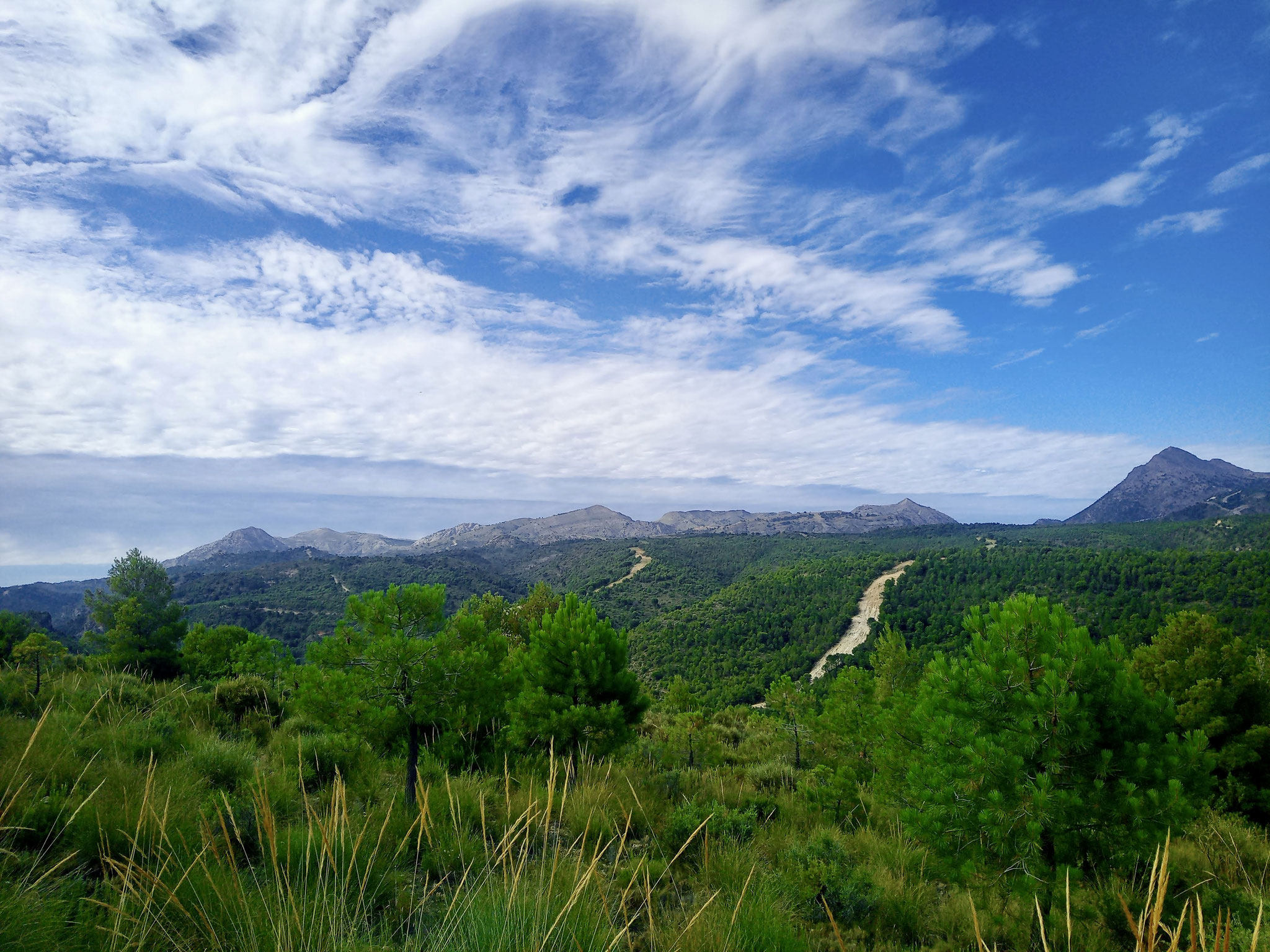
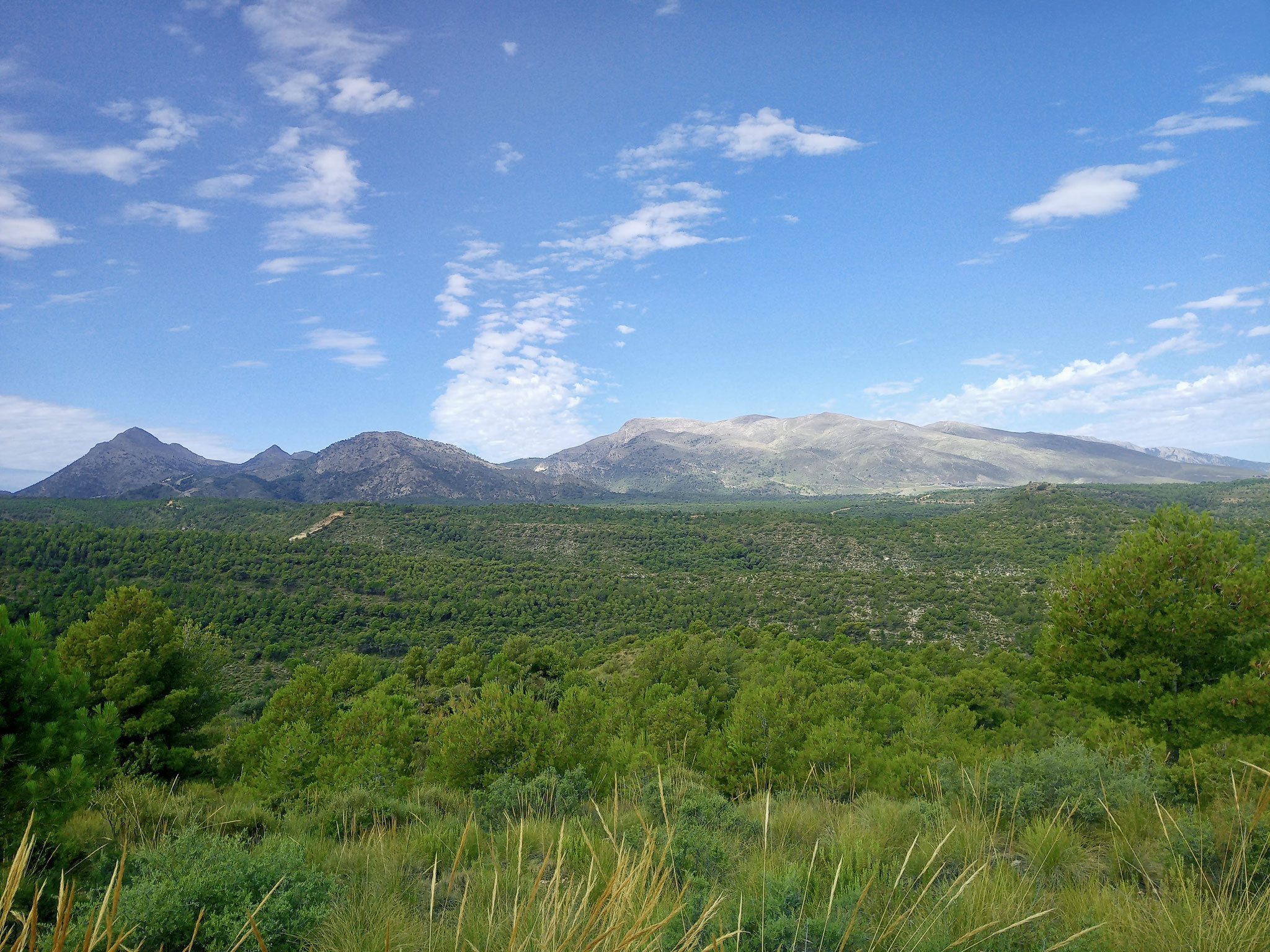
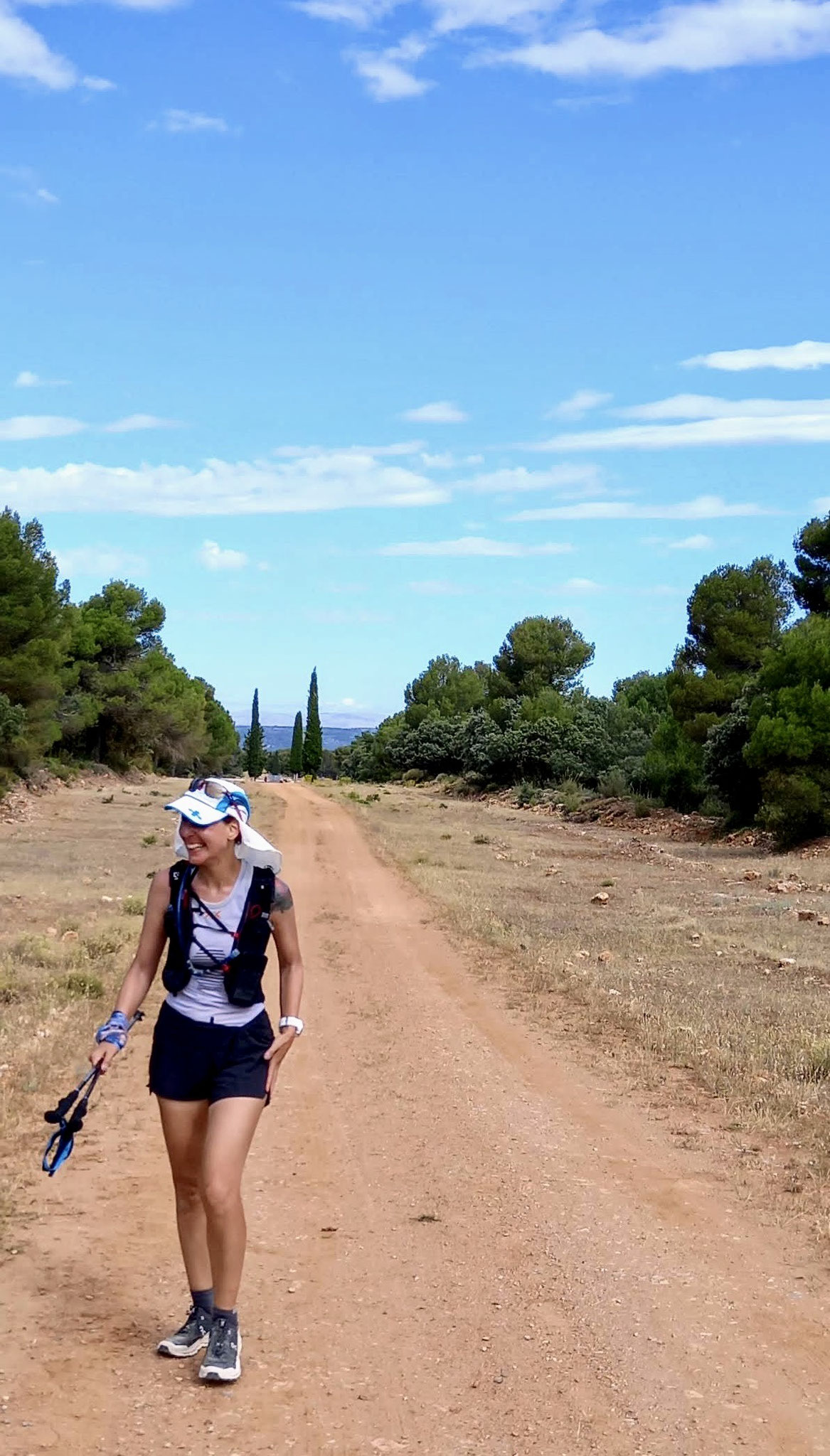
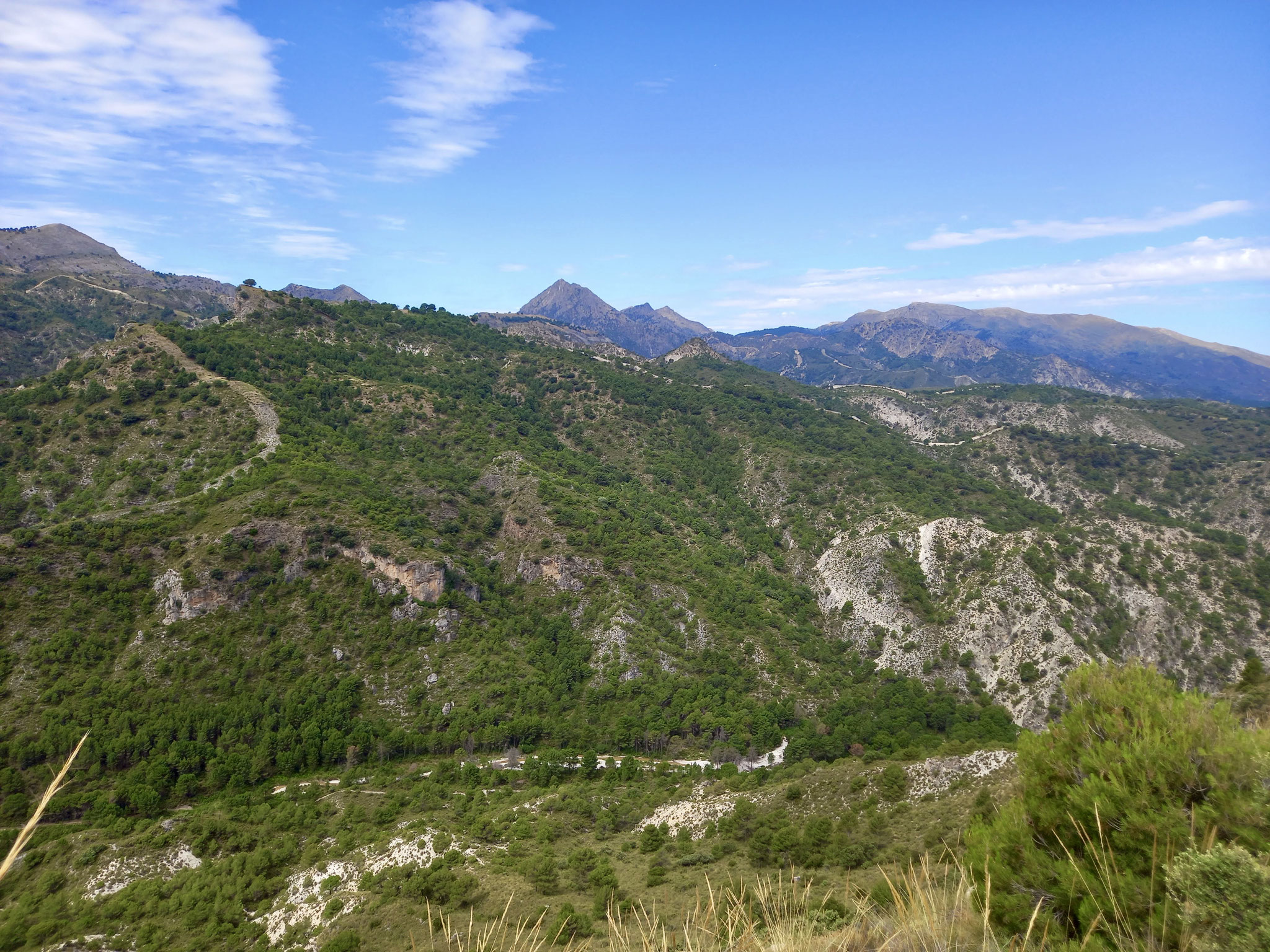
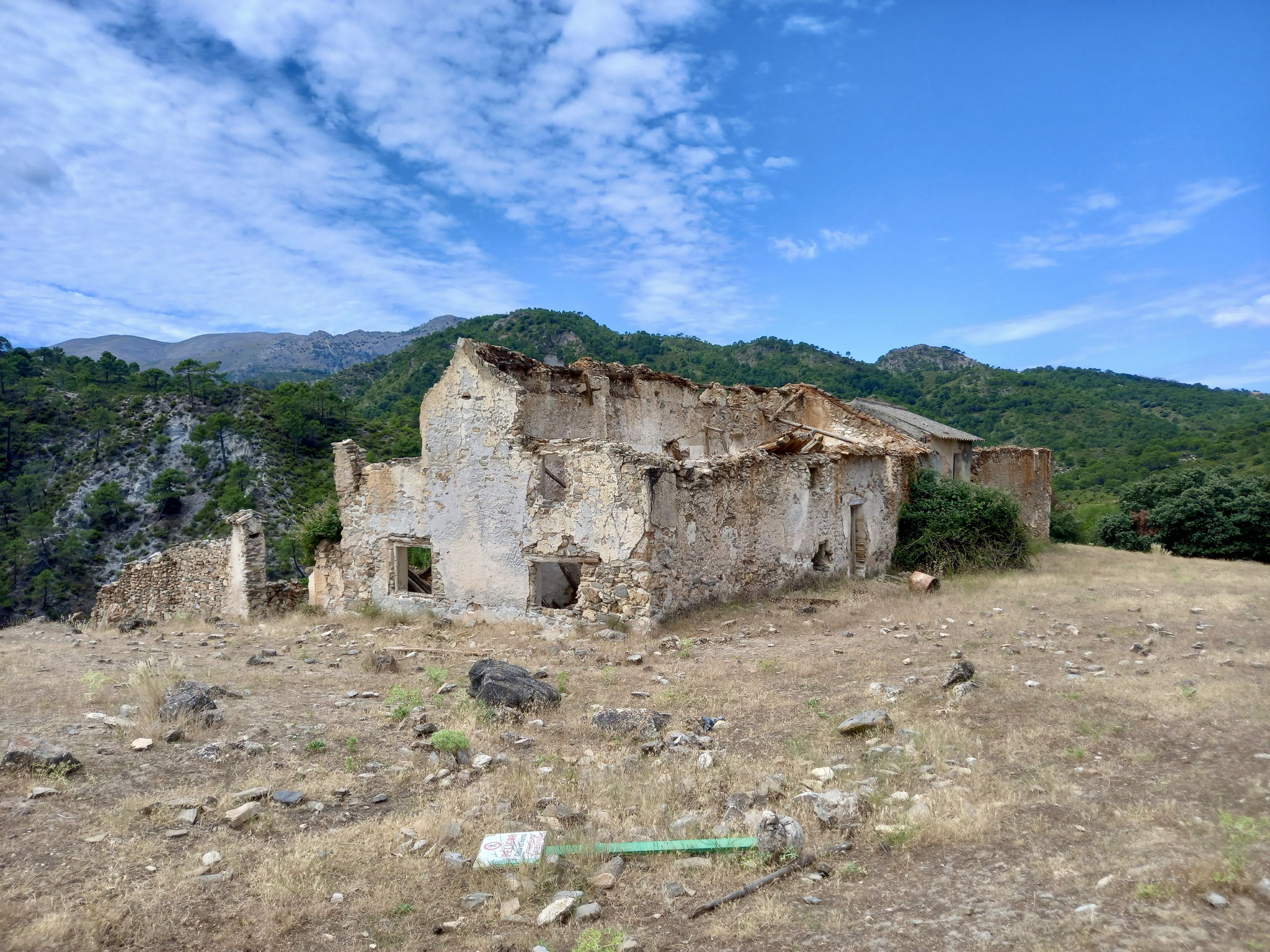


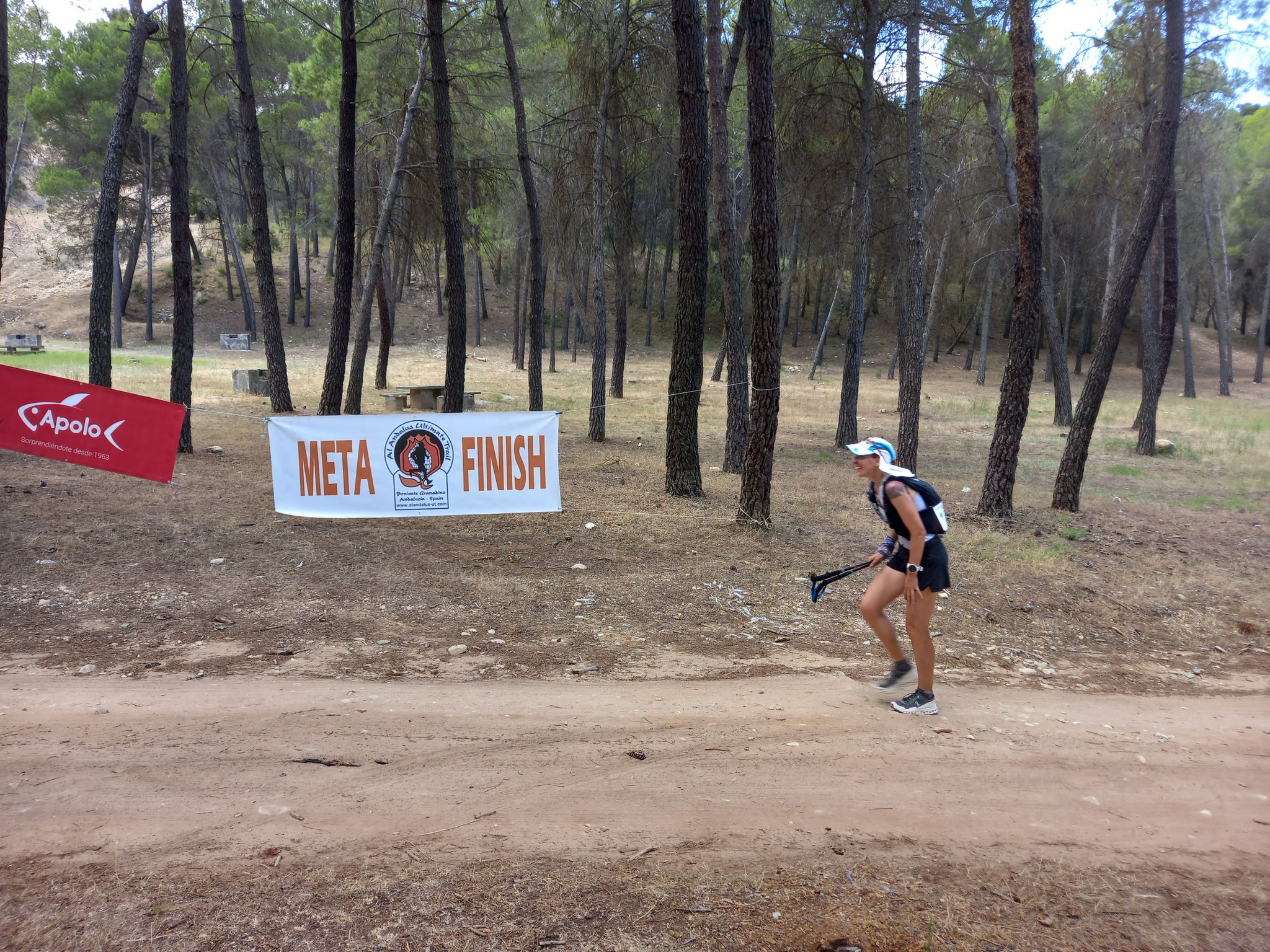
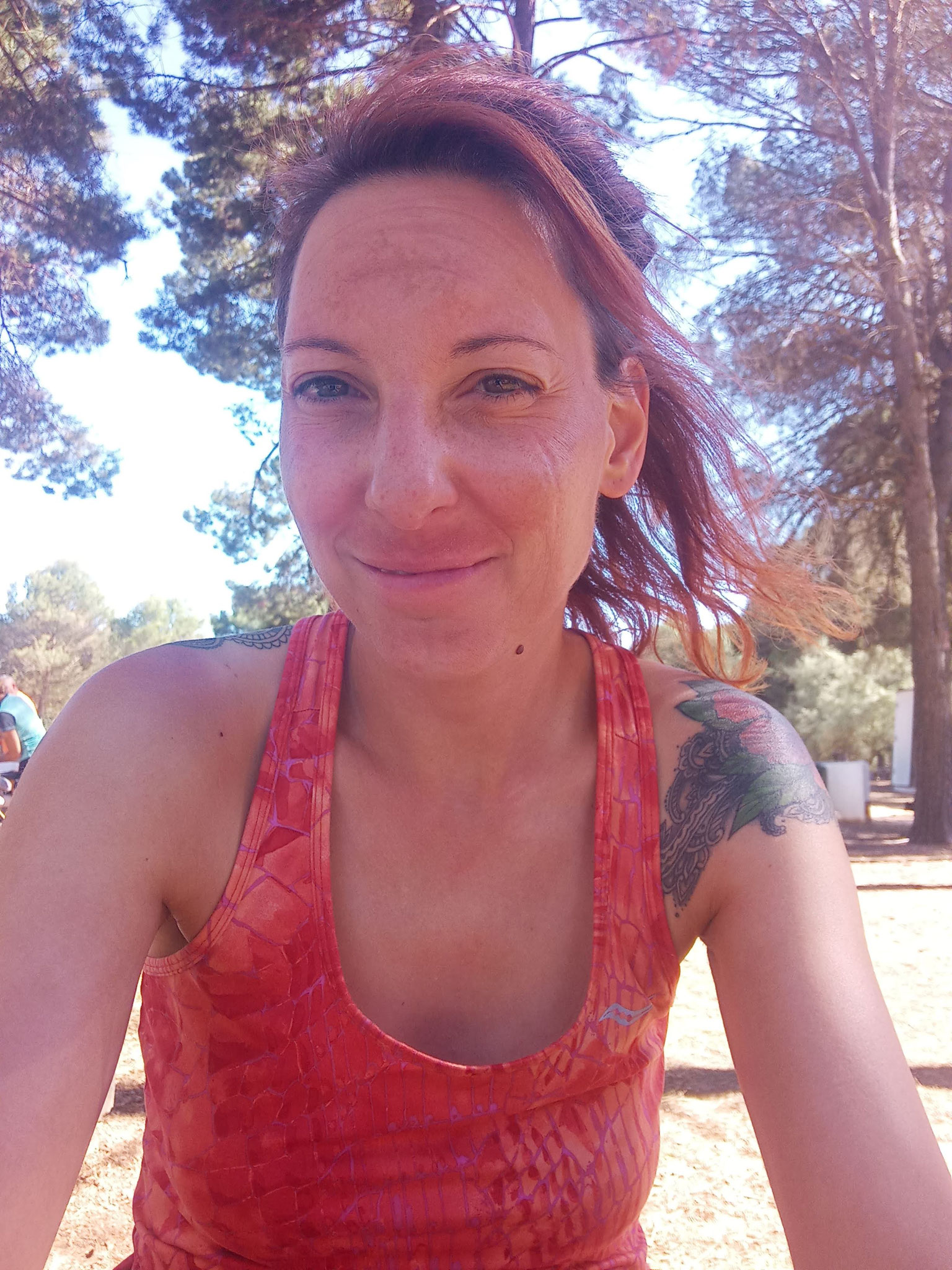

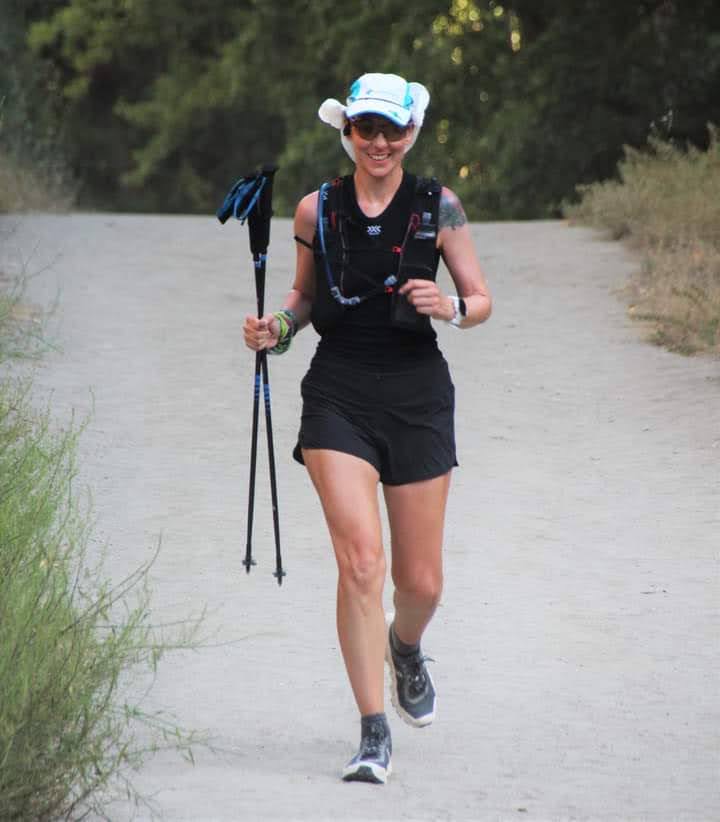
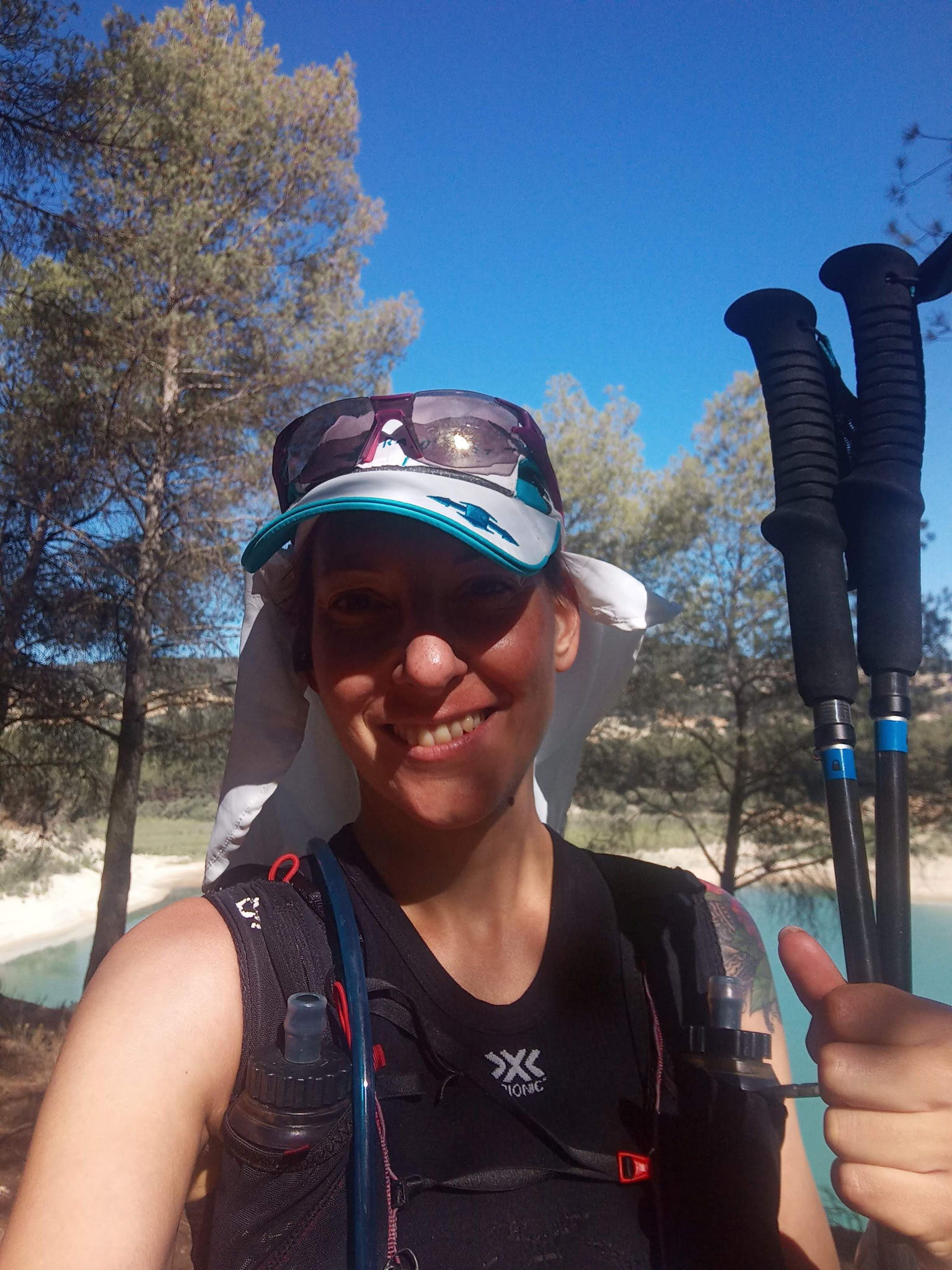
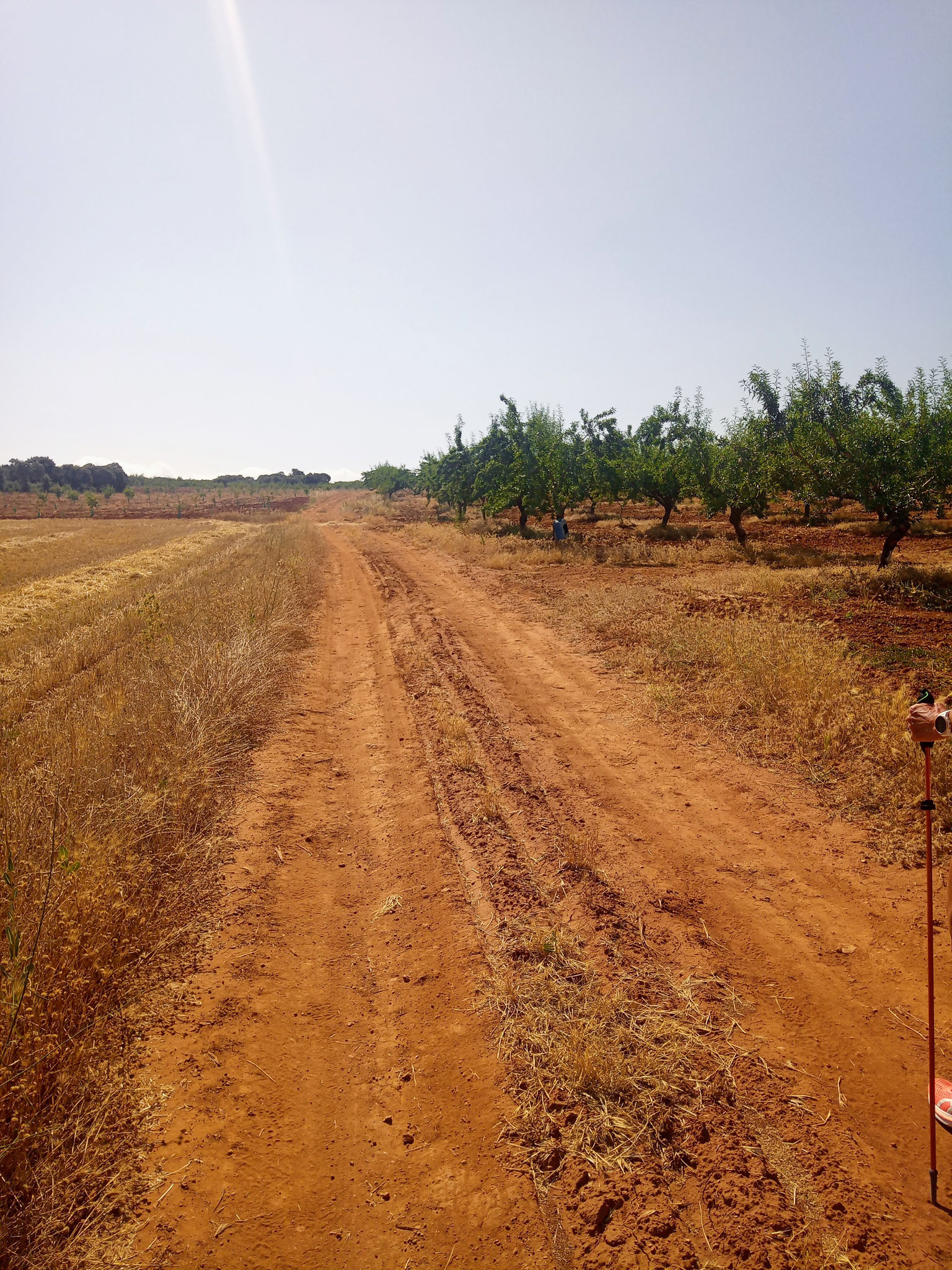
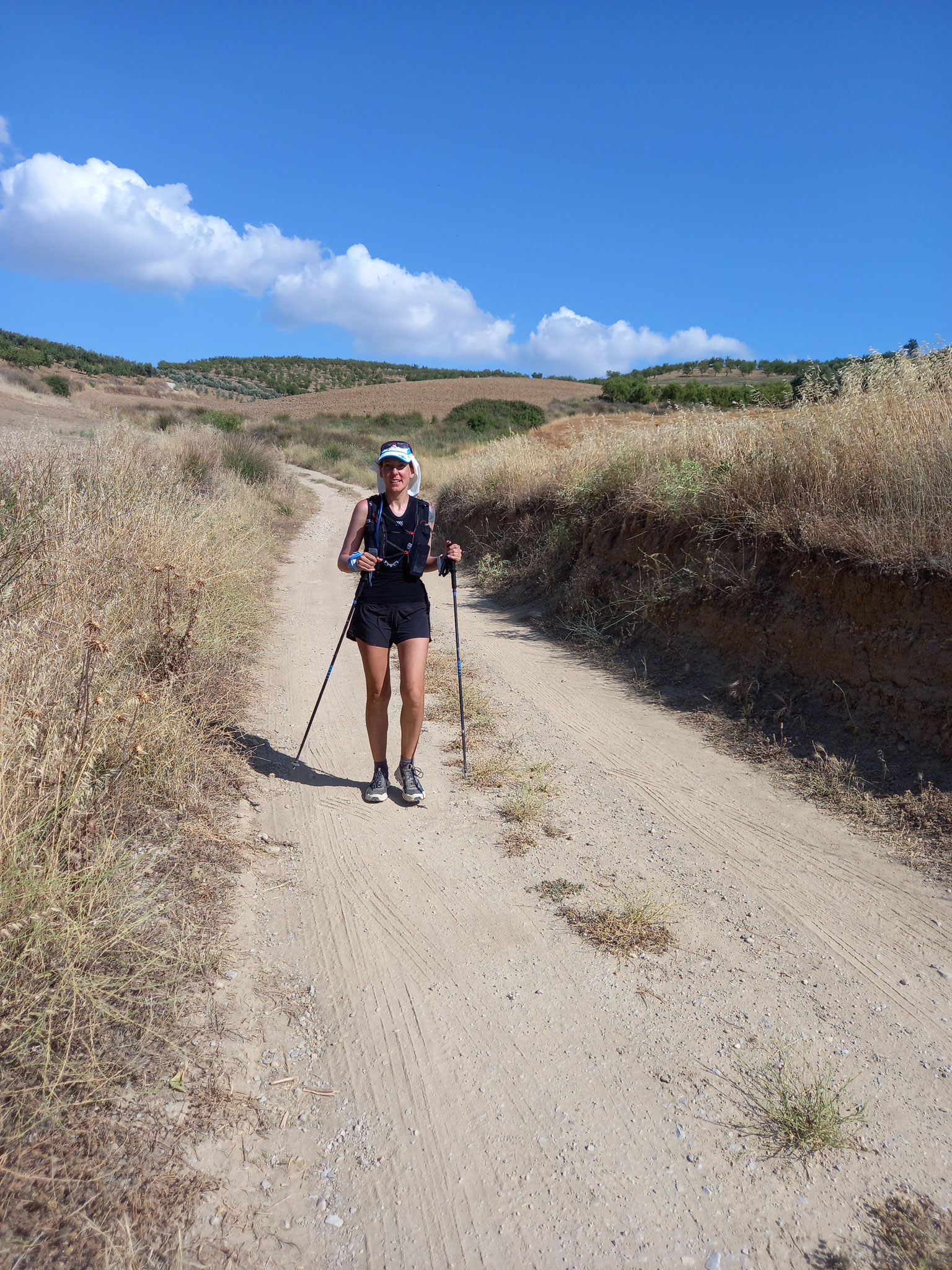

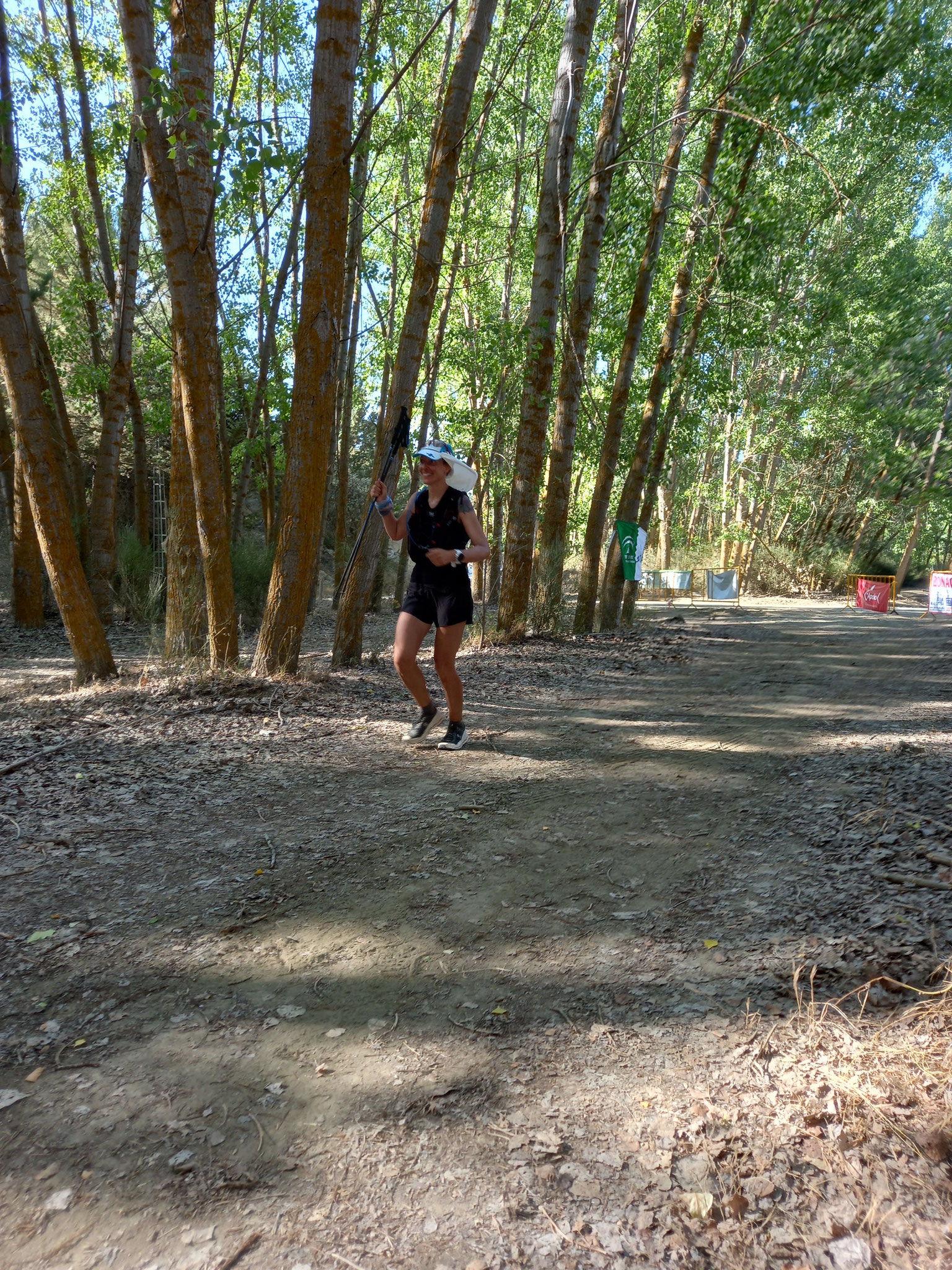
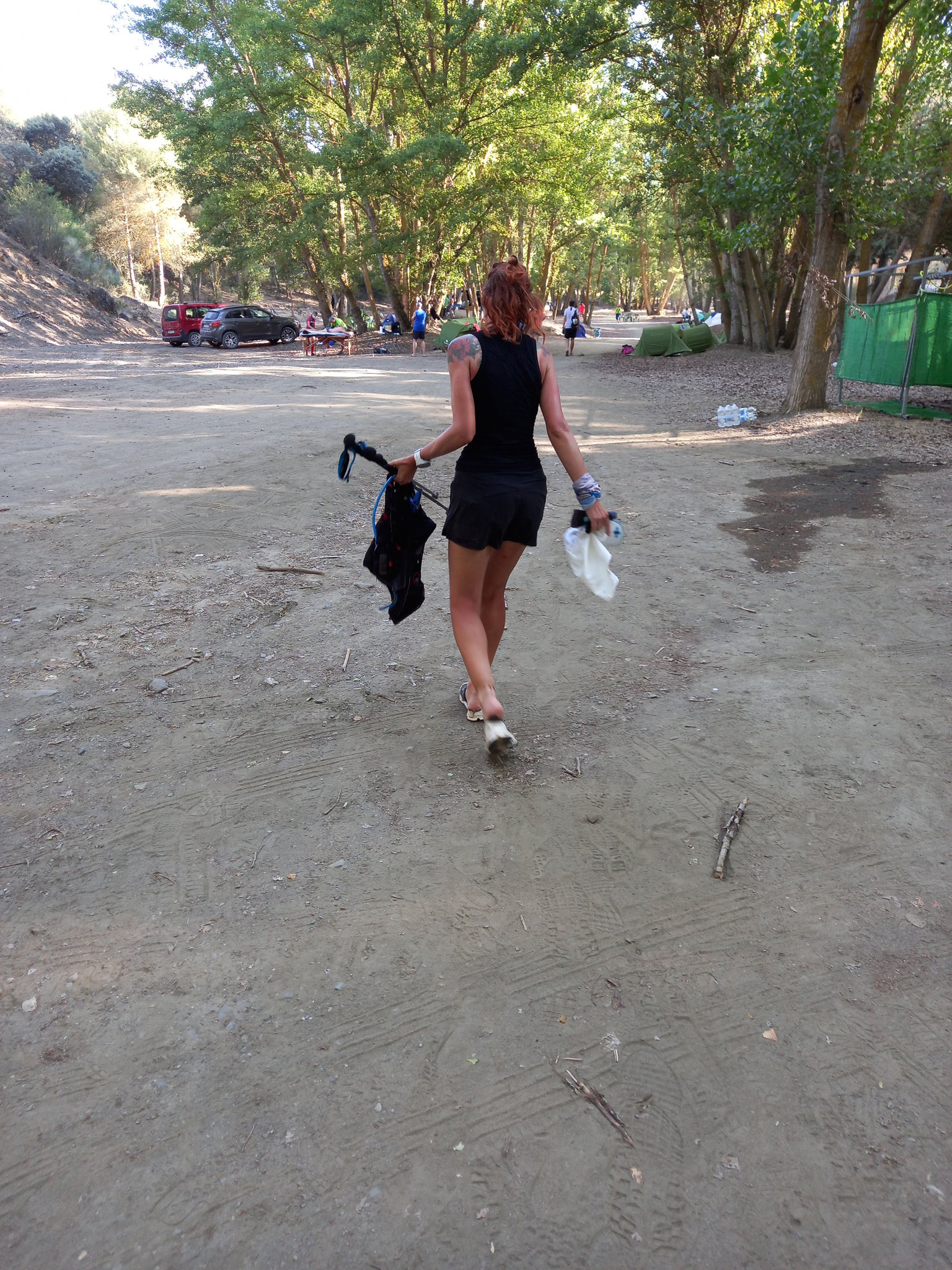




The Al Andalus Ultimate Trail is probably the most influential race I have done since picking up running. When I talk about the Al Andalus, I am referring not only to the race itself, but also to the story leading up to it and to my reasons for wanting to take part. In fact, I would describe the Al Andalus as a kind of metamorphosis in my life. But I will come to that later.
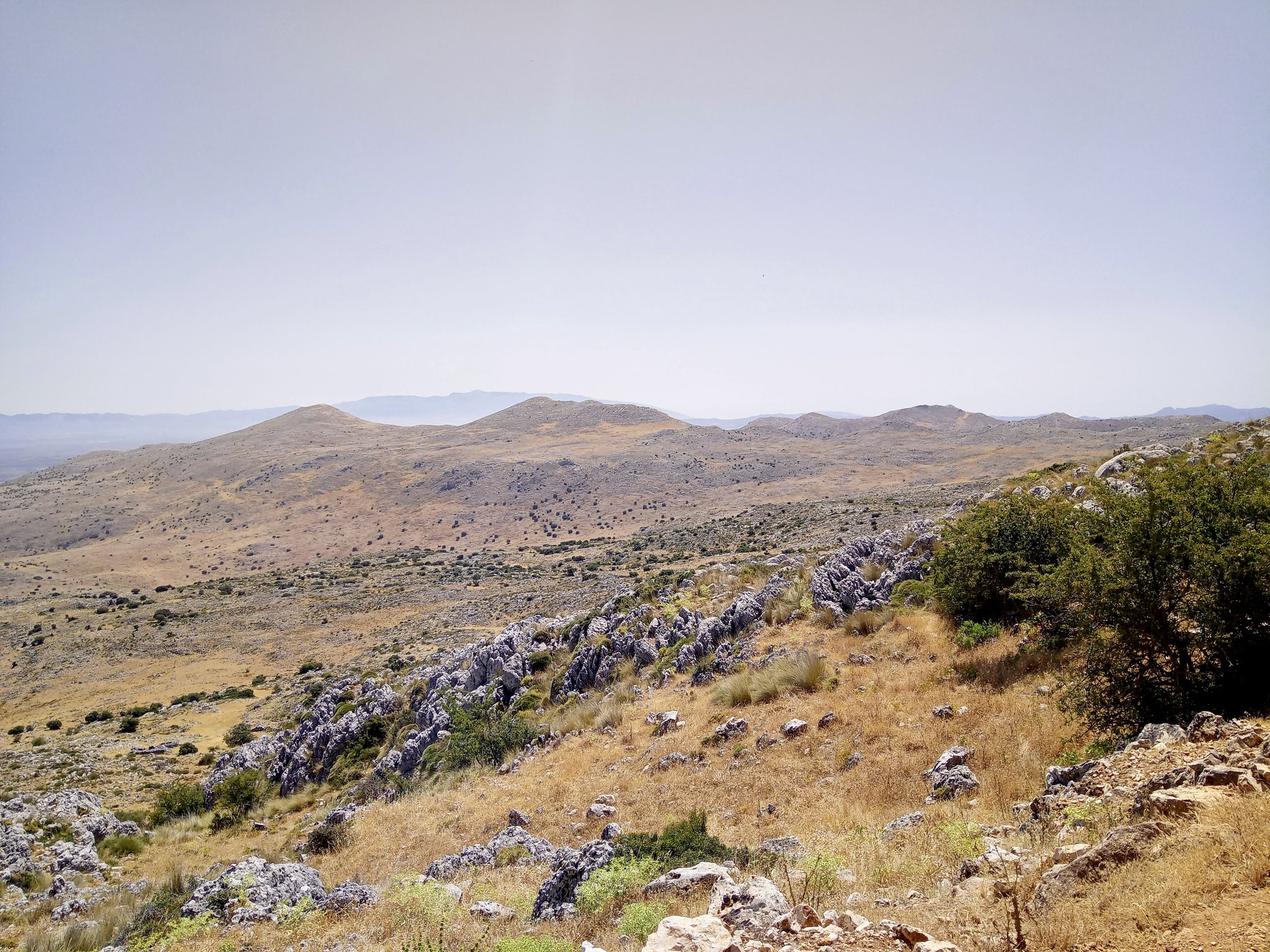
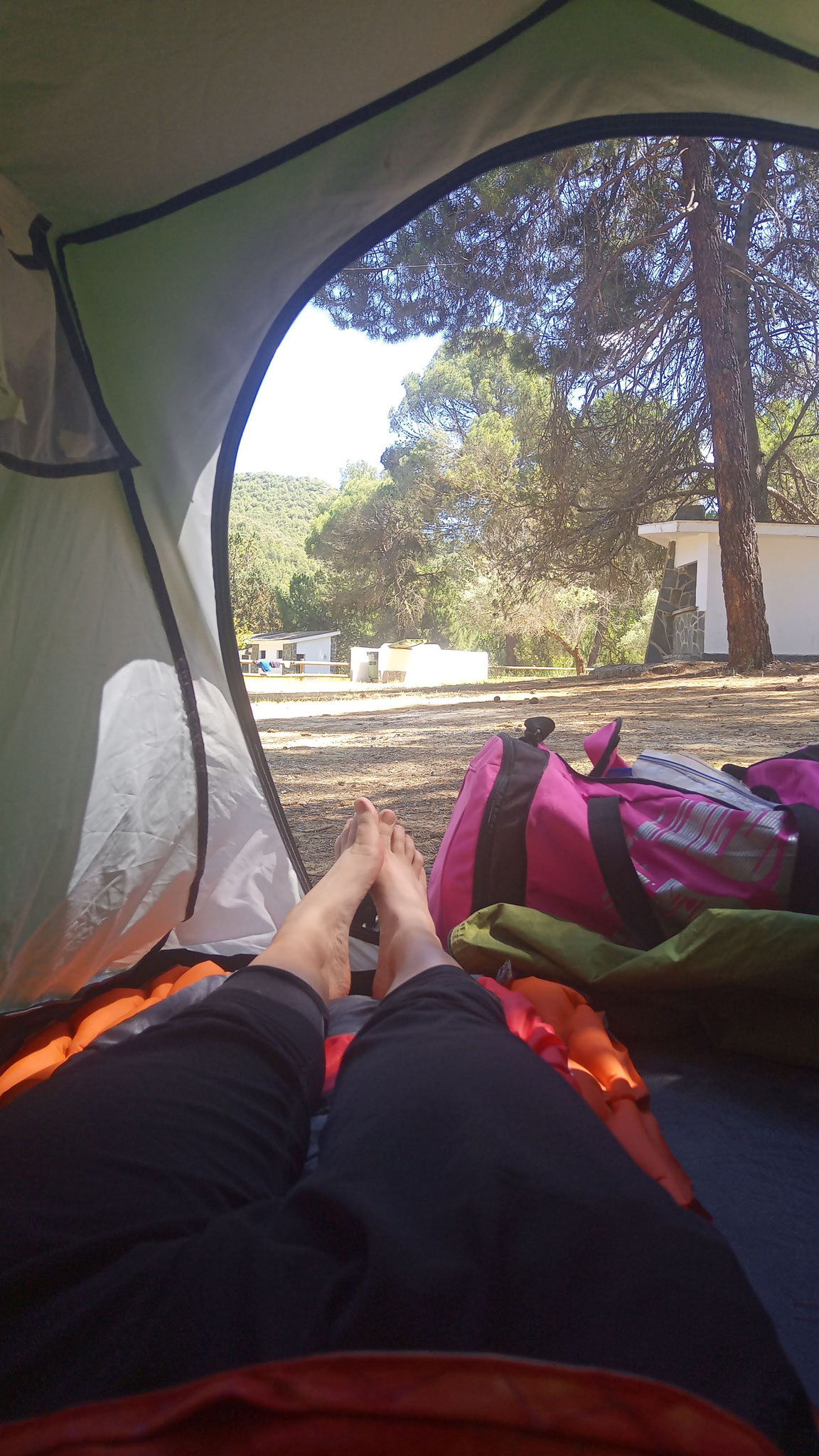
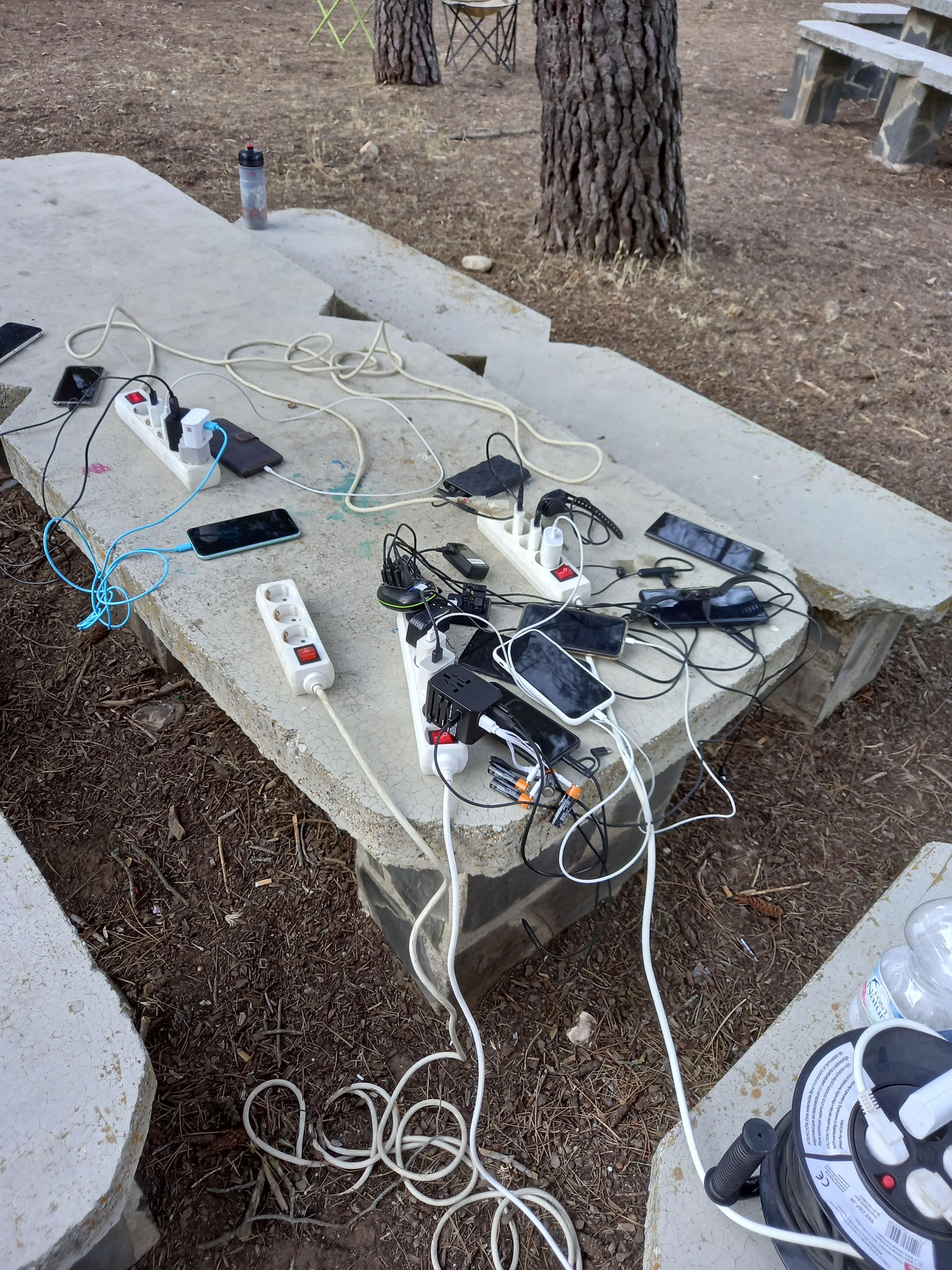
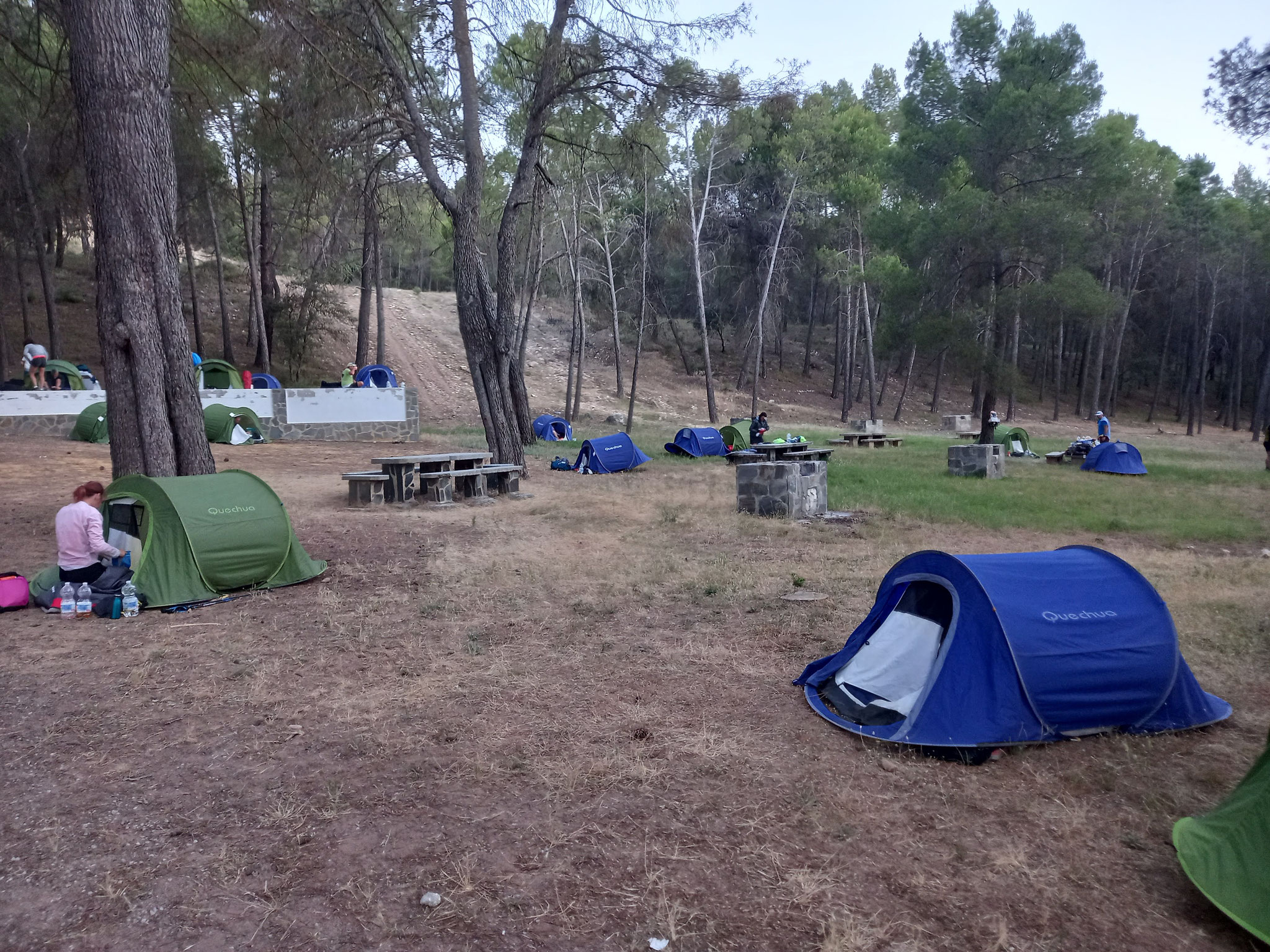
First some facts about the event: The Al Andalus Ultimate Trail is a five-stage 234 km run in July, at temperatures above 40°C, with 7,200 metres of positive and negative altitude. The route is located in the province of Granada in Andalusia, following the heritage routes of Al-Andalus, as well as through the Sierras de Loja, de Tejeda, Almijara and Alhama, and across natural parks. Runners sleep in tents each night in a different camp. Luggage for the five days must not weigh more than 10 kg, but it does not have to be carried the whole way as it will be transported to the campsites by the staff. Participants only carry their running backpack containing the mandatory equipment during the different stages.
I took part in the 12th edition in July 2021, but I had been thinking about the AAUT for a few years prior to that. At first, it seemed unreachable, like a distant twinkling star. So, how did I come to run this race?
When I began running in 2012, I quickly realised that I was fascinated by long runs through unfamiliar places in challenging conditions. However, it took me nine years to participate in my first stage race — the AAUT — despite having completed several runs of over 100 km and smaller three-stage races in Germany. As I had also started writing my doctoral thesis part time in 2012, my holidays primarily consisted of work and writing. I rarely had time for holidays during this long period of eight years. One summer, while I was sitting at my desk in despair and all my friends were on holiday, I made the promise to myself that I would reward myself with a long trip to Andalusia after finishing this doctoral thesis. At that time, I wasn't running ultras, so it wasn't in my mind to run 234km through Andalusia. Moreover, I had no idea how long indeed it would take me to finish the thesis. Again and again, I wanted to give up and throw everything in the bin. Running supported me through those difficult moments and helped me to find a certain balance. But then the runs got longer and longer, and the training took more and more time. This, in turn, slowed down the writing process. But I think that without running, I wouldn't have had the stamina or strength to complete this thesis, as it was an enormous burden that I carried day and night. I suffered from severe insomnia during this time.
When I promised myself I would take this trip to Andalusia, I was reading The Alchemist by Paulo Coelho. The story begins and ends in Andalusia, and Santiago's journey through the desert to find his treasure in the pyramids was a great source of inspiration for me at one point. Regarding the long runs later on, the book contained also important messages for me and my personal journey, such as listening to your heart, following your path, making the impossible possible and being able to 'turn into wind'. I think it was because at a certain point I just didn't listen to my heart at all and I went through this work, which was no longer close to my heart after about three to four years (around 2015-2016). It was just a torture. However, I was halfway through, so I thought I just had to 'finish' the project and continued regardless.
In 2016, I ran my first ultra-races. The distances got longer and my heart just wanted to run, but that old weight was still on my shoulders. Around the same time, I discovered the AAUT. It was simply 'my' run. Like Santiago in The Alchemist, I wanted to wander through the Sierras of Andalusia, following my heart and finding answers to all my questions about life. This dream was still far from being realised, though, as I still had to be patient.
But three years later, in October 2019, the time had finally come! My doctoral thesis was ready to be submitted. I thought it would soon be over. In January 2020, I received the first review from one of my supervisors and everything seemed great, as I had achieved a summa cum laude (= the greatest mention you can get). But then I got a call from the university's head of faculty. My main supervisor, who had given me positive feedback for the previous eight years, had provided a scathing review. To further complicate matters, the Corona pandemic started shortly afterwards, leaving us with no idea when the disputation could take place. I had also registered for the AAUT, which was cancelled due to the pandemic. When I was told in April that the disputation could take place in July 2020 and that I had to decide on the topics, my supervisor's behavior worsened further. He rejected all the topics I submitted. Ultimately, I was left with topics that were completely unfamiliar to me. Moreover, acquiring books and literature was difficult during lockdown. To make matters worse, I moved house and experienced a great deal of grief and personal difficulties.
The disputation in July was the most humiliating experience of my life so far. It lasted four hours and there were lots of technical problems because it took place on Zoom. Four hours of feelings of humiliation, and every time I thought it couldn't get any worse, something else came along. In the end, the words didn't get through to me any more, it all just poured off me. But I passed. I didn't even care — I felt like I had been trampled flat. And it went on. In August, the paper was due to go to press. Once again, I received bad news: the same supervisor wouldn't give me permission to print it. Despite graduating with a magna cum laude (= second highest mention) in the end, I was told to revise some parts of the thesis. I was fed up and wanted to take legal action. Fortunately, my second supervisor agreed with me and supported me. I finally received approval in October and the thesis was published in December 2020. I couldn't be happy about it, and there was just a knot left in my stomach.
Moreover, I didn't feel good at my main job either. Power struggles and the scramble for political power were becoming increasingly prominent. I could no longer see the value of my work because it did not serve the real cause, but was merely seen as a springboard by people who were only interested in their careers and public image. I was asking myself more and more existential questions. What am I doing here? Was it all worth it? Where do I want to go in life? So many questions, but no answers.
But then, at the end of April, came the big news: The AAUT will take place in July 2021! After all these years, my dream of taking part in this race was within reach. I was able to keep my promise to myself and take this trip through Andalusia, albeit in a different form to that initially planned. For me, the AAUT was a personal journey to find my treasure. I had two months of preparation left! The next few weeks were filled with training, long runs, testing and acquiring equipment and sleeping gear, preparing dry food and doing the packing.
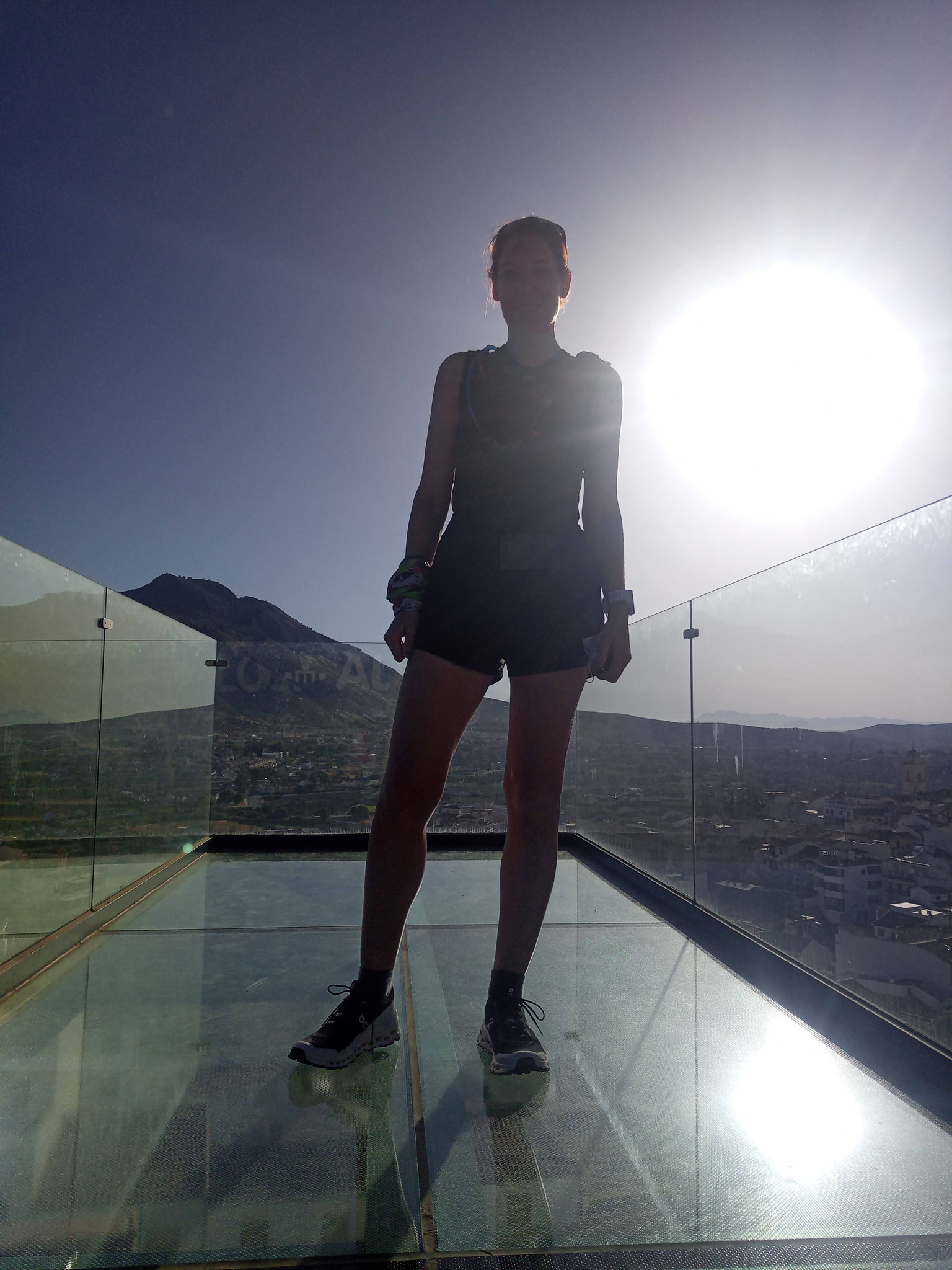
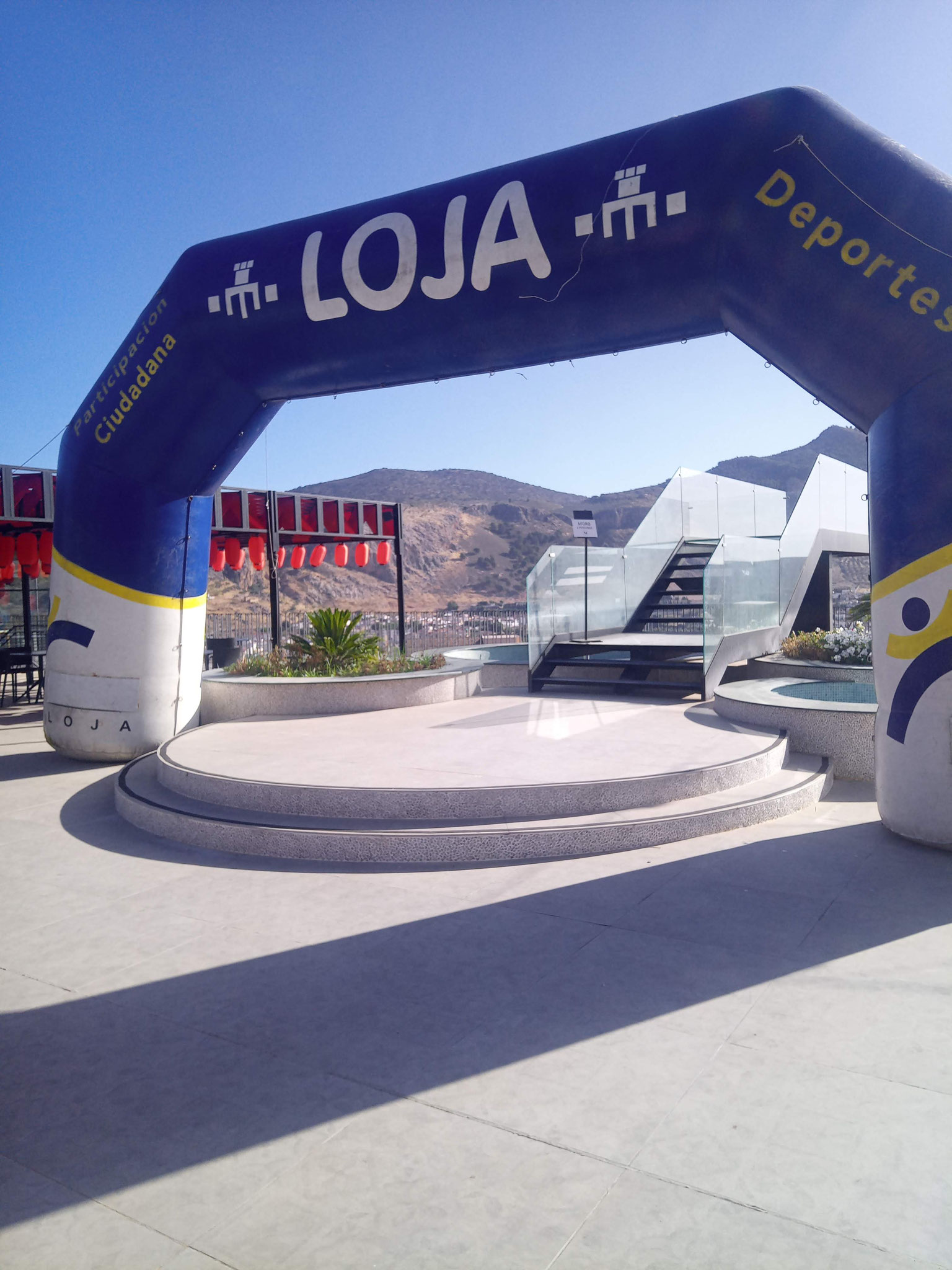
Finally, after all these preparations, I started my trip to Andalusia at the beginning of July. My first destination was Loja, where I stayed at the Hotel El Mirador. I checked in, had dinner with the other participants in the evening, and then we started our first stage at 9:00 the next day. There were 27 participants at the starting line, and it was already over 30 degrees. Normally, about 50–60 runners from all over the world participate in the AAUT, but in 2021 there were fewer runners due to the pandemic. It is worth mentioning that the AAUT was the first stage race held after the pandemic. I was very excited, but at the same time, I was overwhelmed by all the impressions. The view of the Sierra in Loja was simply indescribable, and I felt so lucky to be part of this adventure. I was ready, so ready! And then the kick-off...
Stage 1: Start-up troubles
The first stage was 38 kilometres long, with an ascent of around 1,170 metres, most of which came in the first 11 kilometres. It ended in Alhama de Granada, in a sports hall. Despite my anticipation, I didn't feel very comfortable during the first climb. The heat was unfamiliar and I wasn't fully focused on the race yet. I recall a runner who had participated in the AAUT numerous times before overtaking me and simply telling me that things would improve soon. And he was right. After the 11 km climb, I reached the first checkpoint and was feeling much better. The whole AAUT crew is incredibly kind, uplifting and motivating. This run made me realise once again how important organisation and support on the course are. Runners can certainly sense the love and passion that the organisers and staff have for this event.
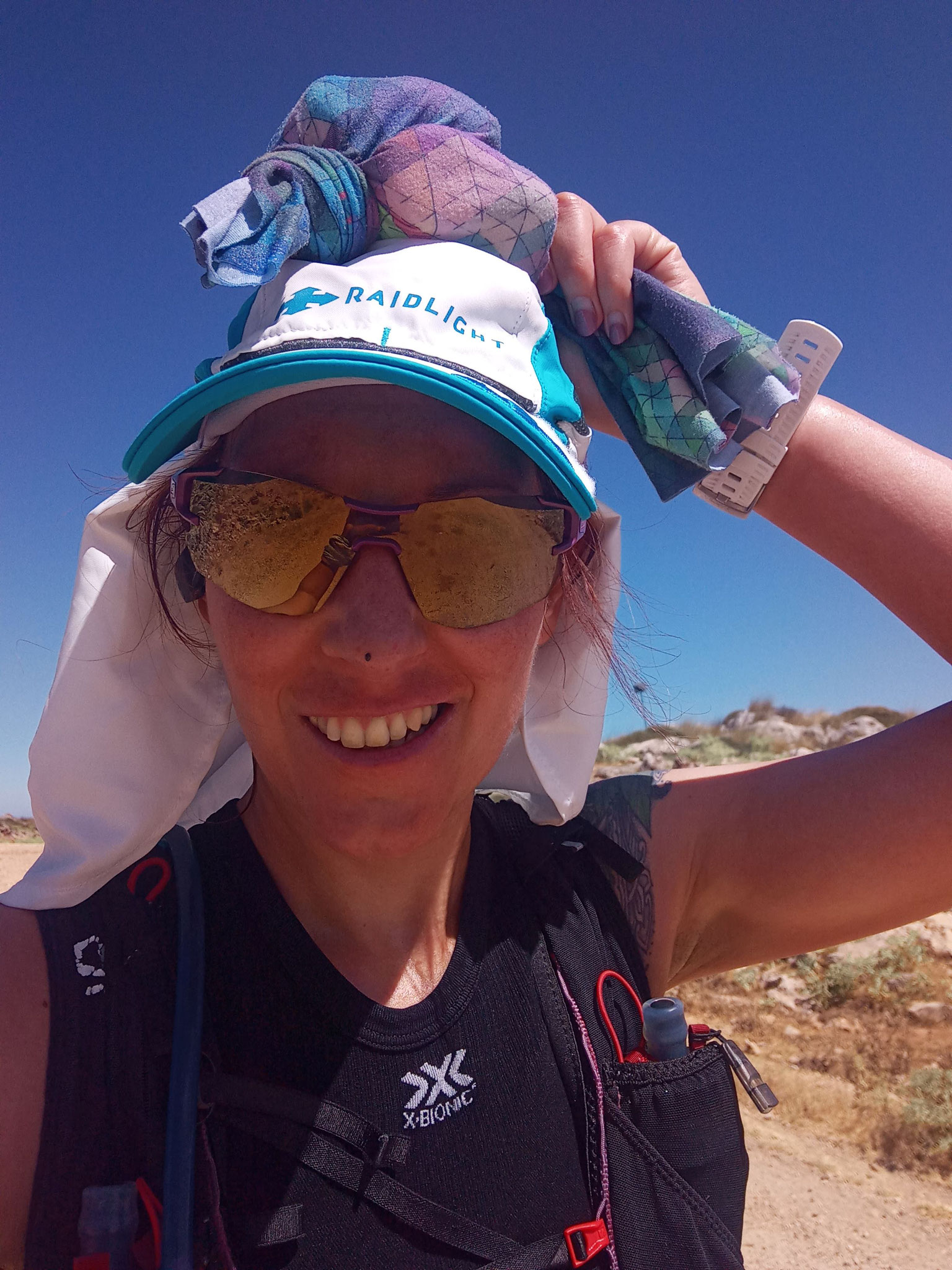
It was 45 degrees and there was no shade in sight. Before the last checkpoint, we ran through a valley and I felt a bit uncomfortable. Again, at that moment, the same runner came up behind me, pointed ahead and said that the checkpoint wasn't far. And again, he was right. I sat down for a while to cool down, and then I felt better. There were only about eight kilometres left, so I stopped thinking about the heat and just ran forward. Then the first stage was done and there was a bowl of cold water waiting for my feet.
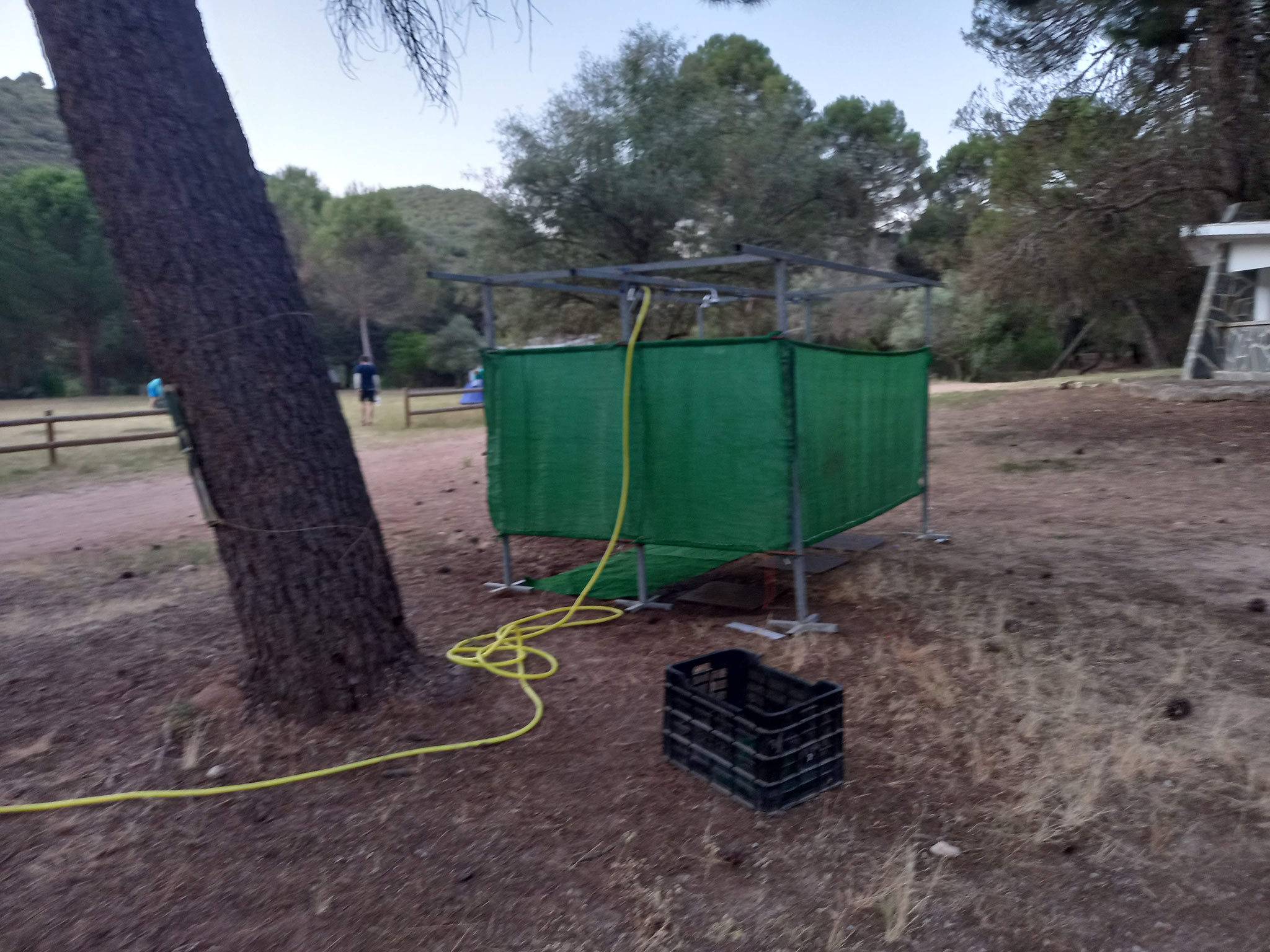
Our tents were in the sports hall and it was incredibly hot in there! Even hotter than outside. I took a shower and thoroughly washed all my clothes. As I had noticed during the AAUT, the thoroughness of this cleaning decreased with each passing stage. We had a swimming pool at our disposal, where we could relax on the lawn and enjoy a massage. It sounds luxurious, doesn't it? We even had ice cream! Nevertheless, I didn't sleep much as it was simply too hot.
Stage 2: The boy in the bubble
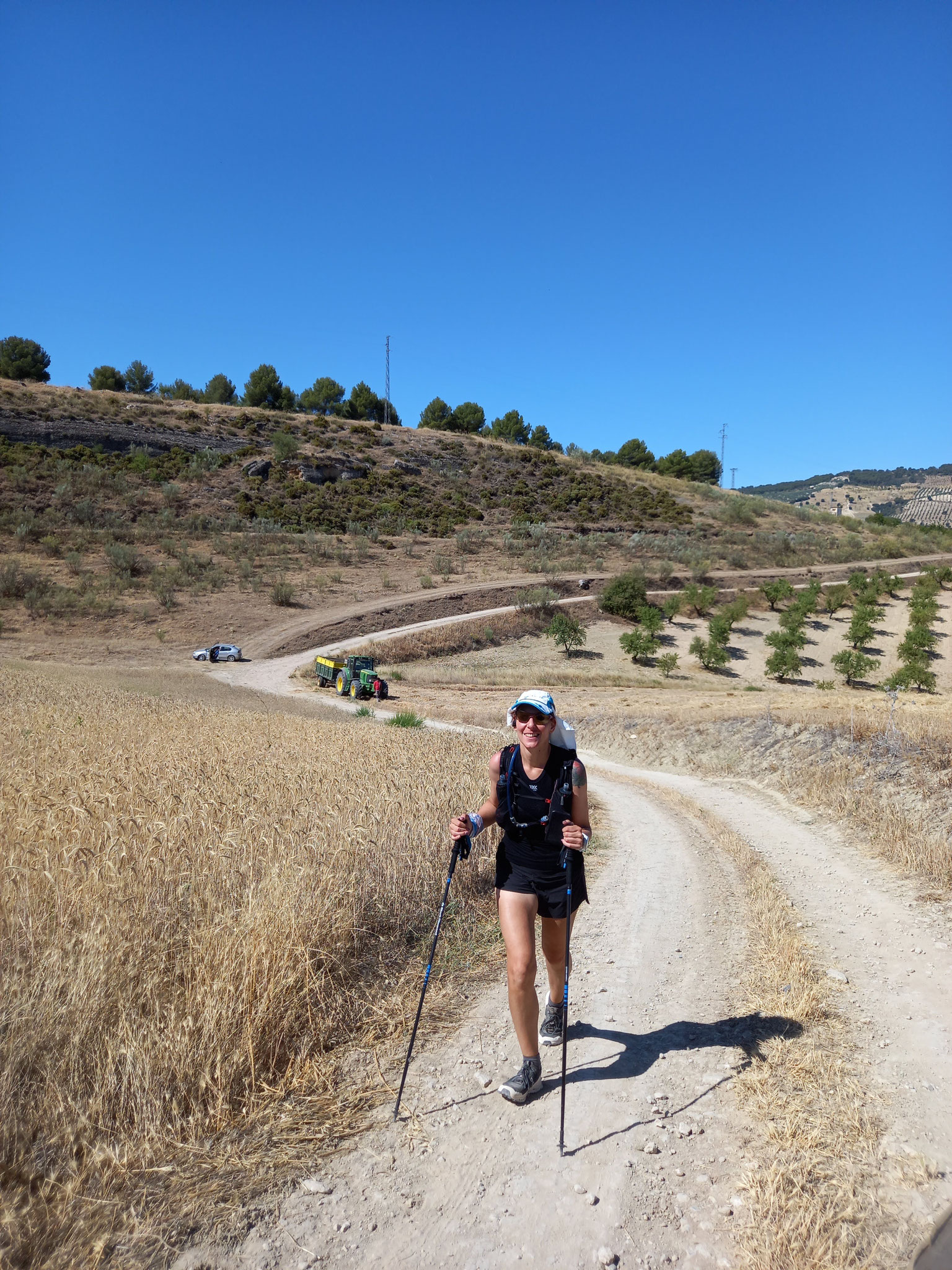
The next day, we set off at 8:00 and made our way from Alhama de Granada to Játar. The 48 km route had an altitude of about 1,440 metres. Along the way, we passed the impressive gorges of Alhama de Granada. This route was said to be particularly technical. After around 27 kilometres, the route entered the Sierras de Tejeda, Almijara y de Alhama in the village of Játar. This checkpoint was important because the next section of the route was very technical and there was no opportunity for a pick-up until the next checkpoint. Once again, I couldn't focus on the run at the beginning and things weren't working out well. I was having all sorts of negative thoughts and I didn't believe in myself. When I arrived at the first checkpoint, the supervising race doctor asked me if there was a song that would motivate me. He wanted to play it for me because I told him that I was in a bad mental race mood. Thankfully, such a song existed, and he played it for me at every checkpoint to keep me motivated. The song was "The Boy in the Bubble" by Patti Smith. When I arrived in Játar, I decided to keep running. I sat down on a chair and the staff listened to my song and danced. I just laughed. Then I continued running. But the next 10 kilometres were really really tough! It was over 40 degrees that day, and my progress was slow as it was very technical in places. According to my watch, the climb was almost over. But that was not the case. It just kept going uphill. I started to despair because I didn't think I would reach the next checkpoint in time. I began to panic and just wanted to cry. I thought: "Is this my big adventure in Andalusia? My personal journey to my treasure? Being out at the second stage because I missed the cut-off time?" Then 'The Boy in the Bubble' started playing again at my playlist, and I felt a change inside of me that I cannot describe. It was as if a lever had been flipped. I had two options: I could either keep crying and DNF, or I just could keep running. I didn't really think about it, my legs suddenly started running faster and faster. Then, three minutes before the cut-off time, I saw it in front of me: Checkpoint 3! I made it! There were other runners sitting there waiting to be taken back to the camp because they stopped their race.. The race director, Eric, pulled up, and the doctor asked me if I was going to continue. I just grinned and said, 'Of course!' He told me that I surely would be a happy finisher of the AAUT. I was feeling so good now — I was finally coming alive! I kept running because I wanted to reach Checkpoint 4 before the cut-off time, and then finally reach the camp in Játar. Since I had arrived at CP3 just in time, I didn't have much time left.
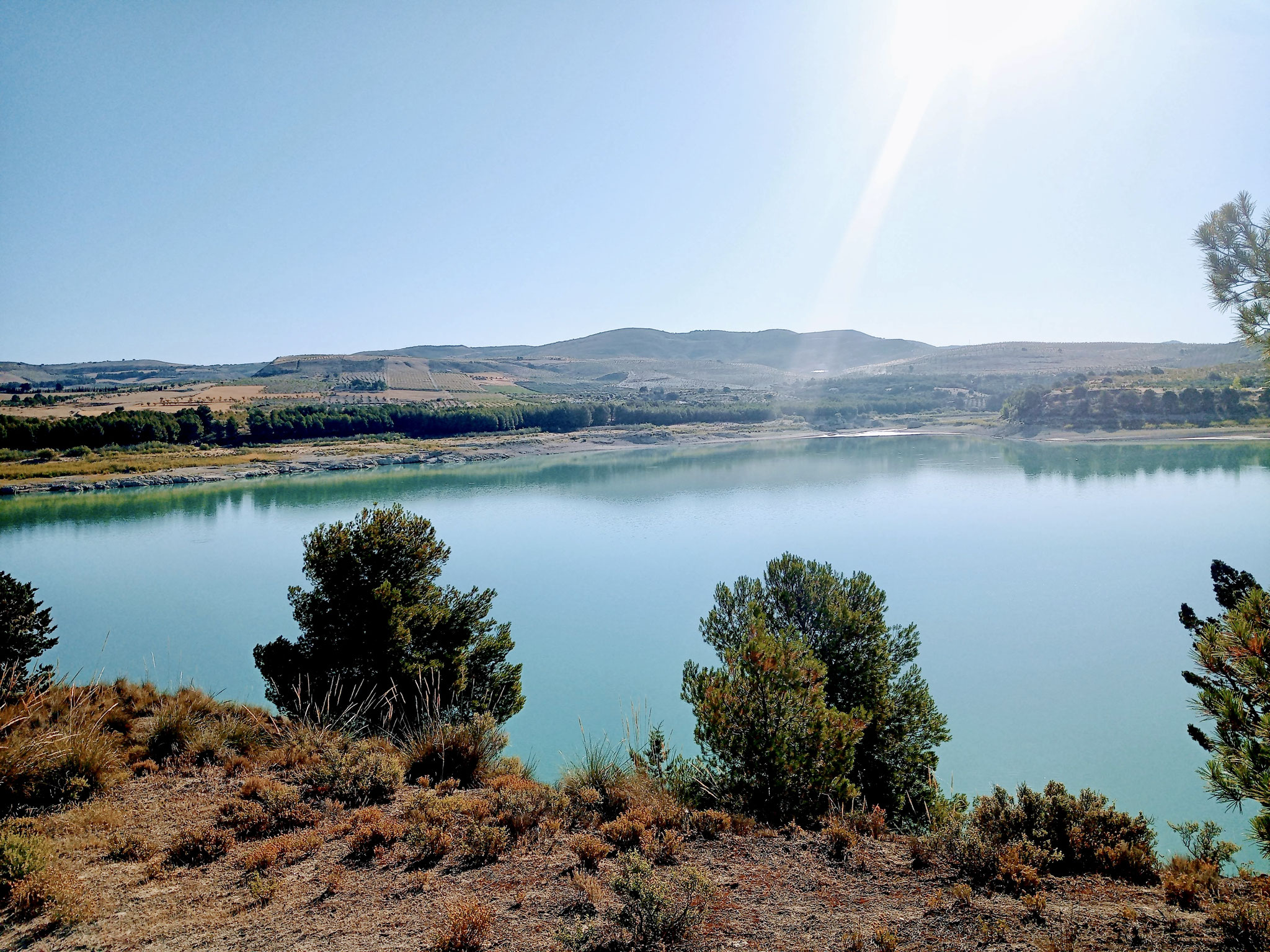
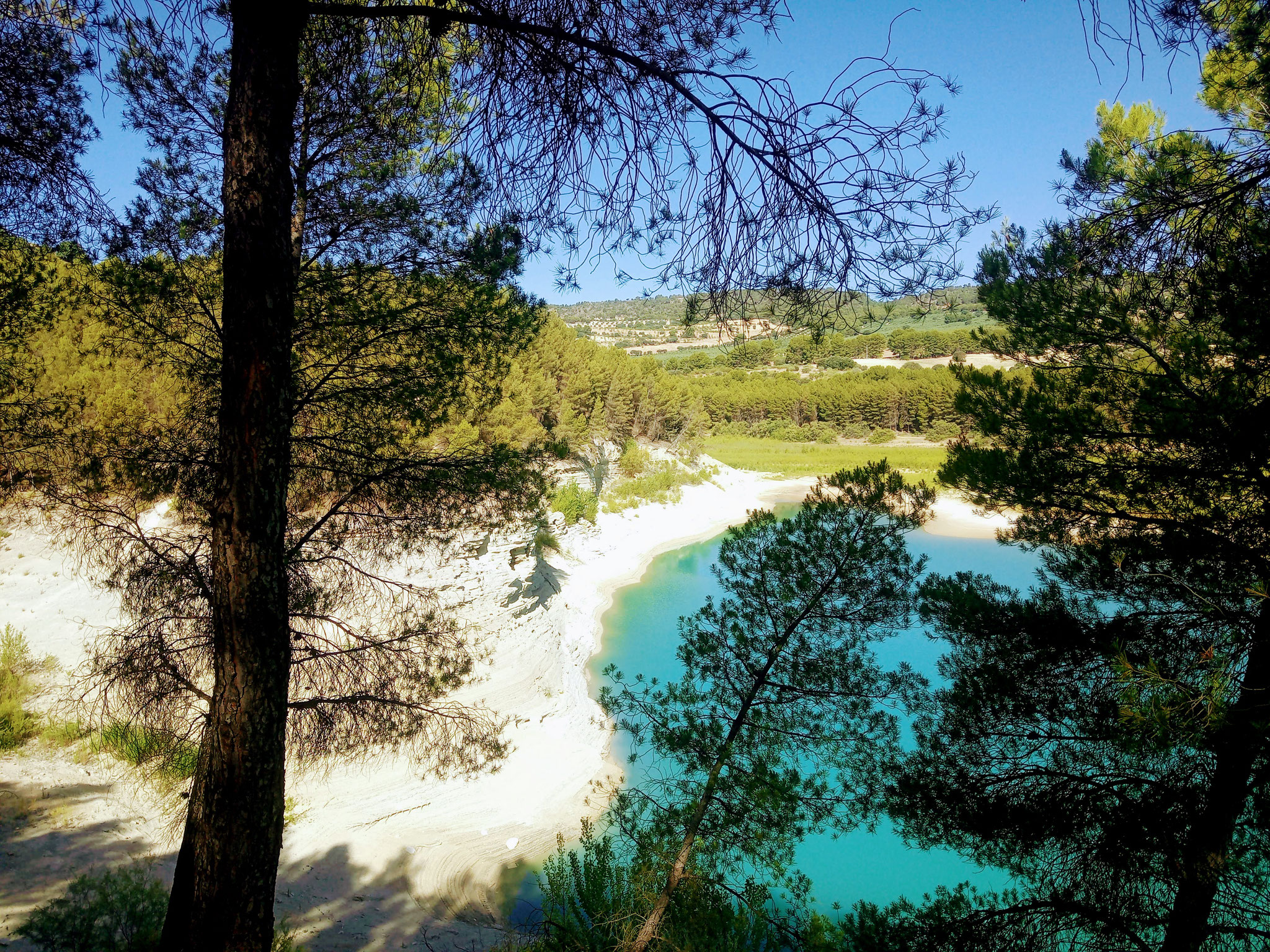
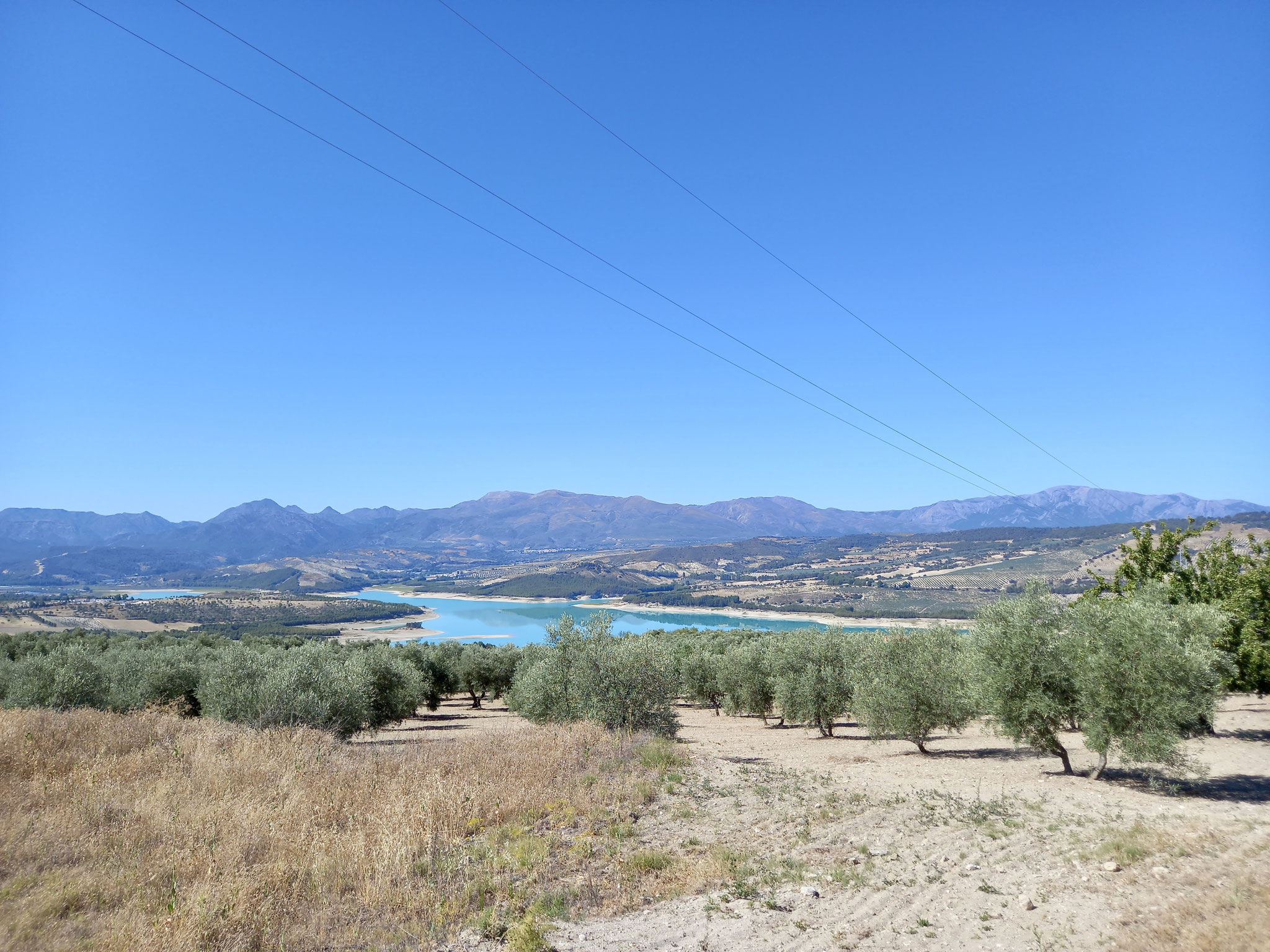
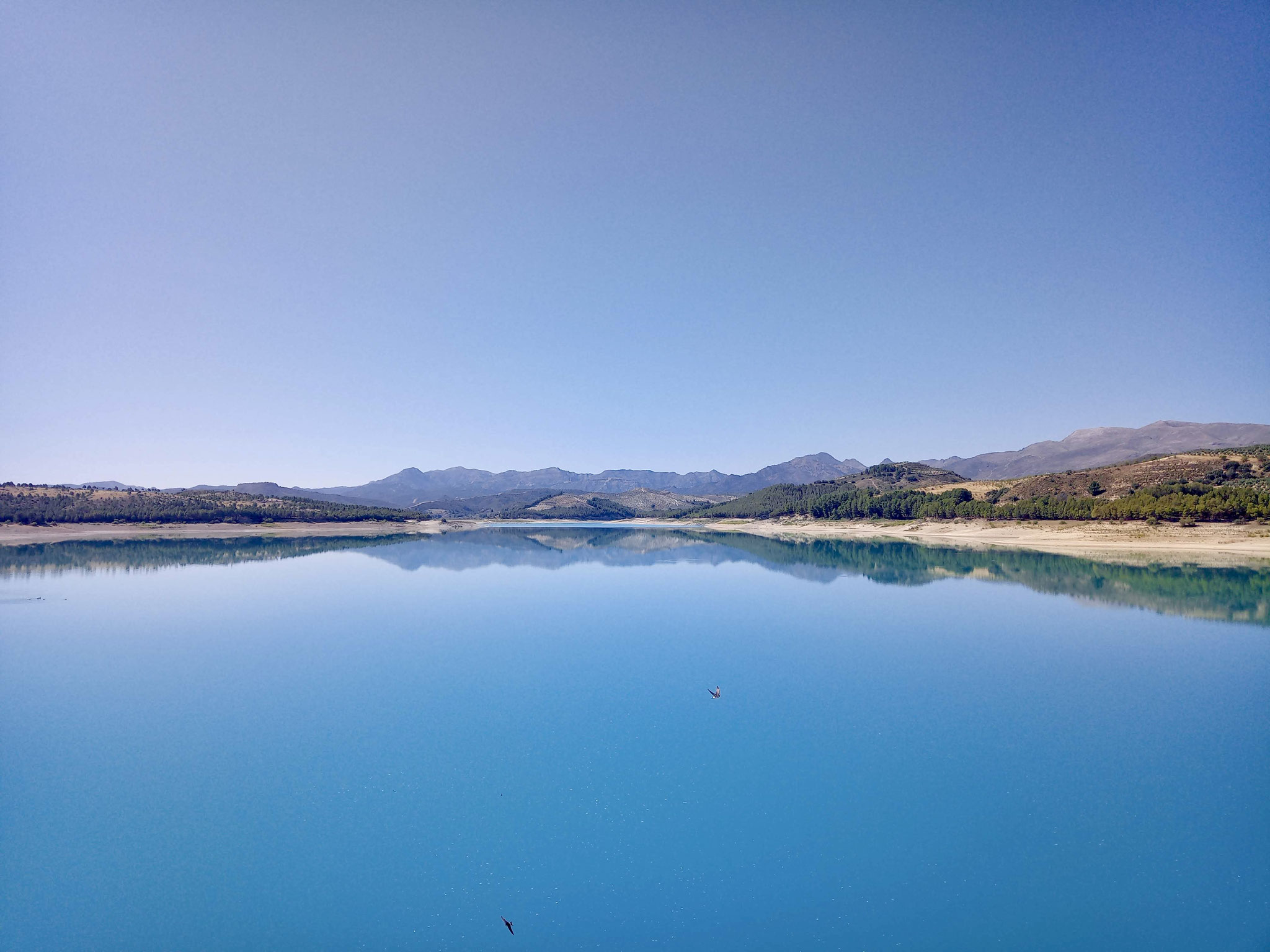
The view was magnificent. From the top, you could see the shimmering blue lake Los Bermejales and enjoy a view of the whole area. Just before the finish, I got a bit lost when I missed a right turn. After what seemed like an eternity, I finally arrived in Játar. I will never forget this experience. I remember those white houses and the dusty, sweaty streets and the bar 'Los Angeles' that I passed. This small village felt like a big city. I walked and walked, but somehow I never arrived at my destination. But finally, I had completed the second stage, and after eight hours in the heat and the stress of not arriving on time, I was done. We had cold water for showers, and I washed my clothes that day too. However, I didn't do it very thoroughly because I just wanted to get into my tent quickly and eat something. And sleep.
Stage 3: The "snakebite"
On the third day, we ran 39 kilometres (920 m ascent) from Játar to Jayena through the natural park La Resinera. I was finally feeling well, my head and my legs were cooperating. The landscape on this stage was greener than the others, with lots of stones and gravel towards the end. Shortly before the finish line, I was unexpectedly stung or bitten by something in the bushes. It really hurt and started to itch and swell up a bit. But I didn't see anything. I ran quickly to the finish line to take a look. There were small punctures, and to make it sound more dramatic, I called them "snakebites". That's how the story came about of me being bitten by a snake in Andalusia. That night, like in Játar, we stayed in a campsite in the middle of nowhere. I had no idea it would get so freezing cold at night. In the evening, we had Paella and salad at the campsite. We also had non-alcoholic beer. That was a really nice change! No dry food! Even though I prepared all my own food from fresh ingredients, real food simply tasted so different and good. Before going to bed, I prepared everything for the next stage, which was going to be the longest. It would be very hot again! But not during the night. I was absolutely freezing, so I wrapped myself in all the clothes I had in my luggage. I had bought a new sleeping bag designed especially for warmer days. Unfortunately, it could no longer withstand the low temperatures that night. I also had to go to the toilet very often because I had drunk so much water in the evening. I was very tired when I woke up, I only slept for about three hours and I felt a bit queasy. But I was particularly looking forward to this stage because I really like long runs the best. And it was great! The fourth stage was simply amazing! It was definitely my favorite.
Stage 4: The enlightened, grilled Hamburger
During Stage 4, we ran 68 kilometres with an altitude of 1,500 metres, from Jayena to Alhama de Granada. First, we ran alongside the Lake Los Bermejales, which I had already admired during Stage 2. Checkpoint 2 was located 23 km from the start of the route. This was followed by a 7–8 km ascent in the blazing sun with no shade up to CP3. I managed the uphill section quite well. Using my walking poles, I found a good rhythm and made good progress. Unlike on day two, I had plenty of time before the cut-off time. After CP3, we ran through a barranco, which made a deep impression on me. Perhaps it was because of the burning sun, but I suddenly had a clear vision of what I no longer wanted in my life and why I love this kind of running so much. In the Sierra, I felt completely free, liberated from a world defined by human norms, evaluations and judgements. In that moment, I was part of a world where none of these things had any significance. There was just the heat and the mountain. And me, free from the conventions, rules and norms set by humans. What was normal here? What was considered desirable? Was it "good" or "bad"? The only thing that mattered was being here, surrounded by this beautiful, abstract landscape. An ice-cold cola would have been "good". And some sunscreen, too. This kind of running is often described as an extreme sport, far beyond what is considered normal or comfortable. But that was not the case for me at all. Of course, the heat, the many kilometres, the altitude and the lack of sleep took their toll on my body and mind. Yes, it was an extraordinary situation. And that was the point. Then I got lost in my thoughts: People consider this to be beyond their comfort zone. However, a life under constant stress and pressure is neither comfortable nor desirable to me. It's like being trapped on a hamster wheel. Why do people do this? Is it for power, image or money? And why did I put myself through it? Was it because I had certain ideals, believed in changing the world and imposed certain values on myself? Would I really choose to be trapped in a system where I am expected to do well for other people so that they can get ahead in their careers and gain power? I don't care about having power or a good career. I don't want to support others in their schemes any more. I just want to be here, right now. This is what I love. Here is my treasure.
With these thoughts in mind, I continued on my way to Cacin. When I ran down to the village, it was incredibly hot. I was running on asphalt and felt as though the sun was beating down on me, ready to melt me like a piece of ice in seconds. When I arrived in Cacin, it was completely silent. I could almost hear the melody of an Ennio Morricone film that was playing in my mind, and I felt like the last cowboy on earth in an abandoned village. Apart from dust and white houses, there was nothing. Then, suddenly, someone in a pink T-shirt jumped out from behind a house and said something about Cola. At first, I wasn't sure if it was a hallucination. But the man was real; he was part of the staff, and the next checkpoint was just around the corner, which I hadn't expected for another three kilometres. There was indeed Cola and Fanta Lemon. Another runner was right behind me, so we sat together in the shade to enjoy the ice, the drinks and a short break.
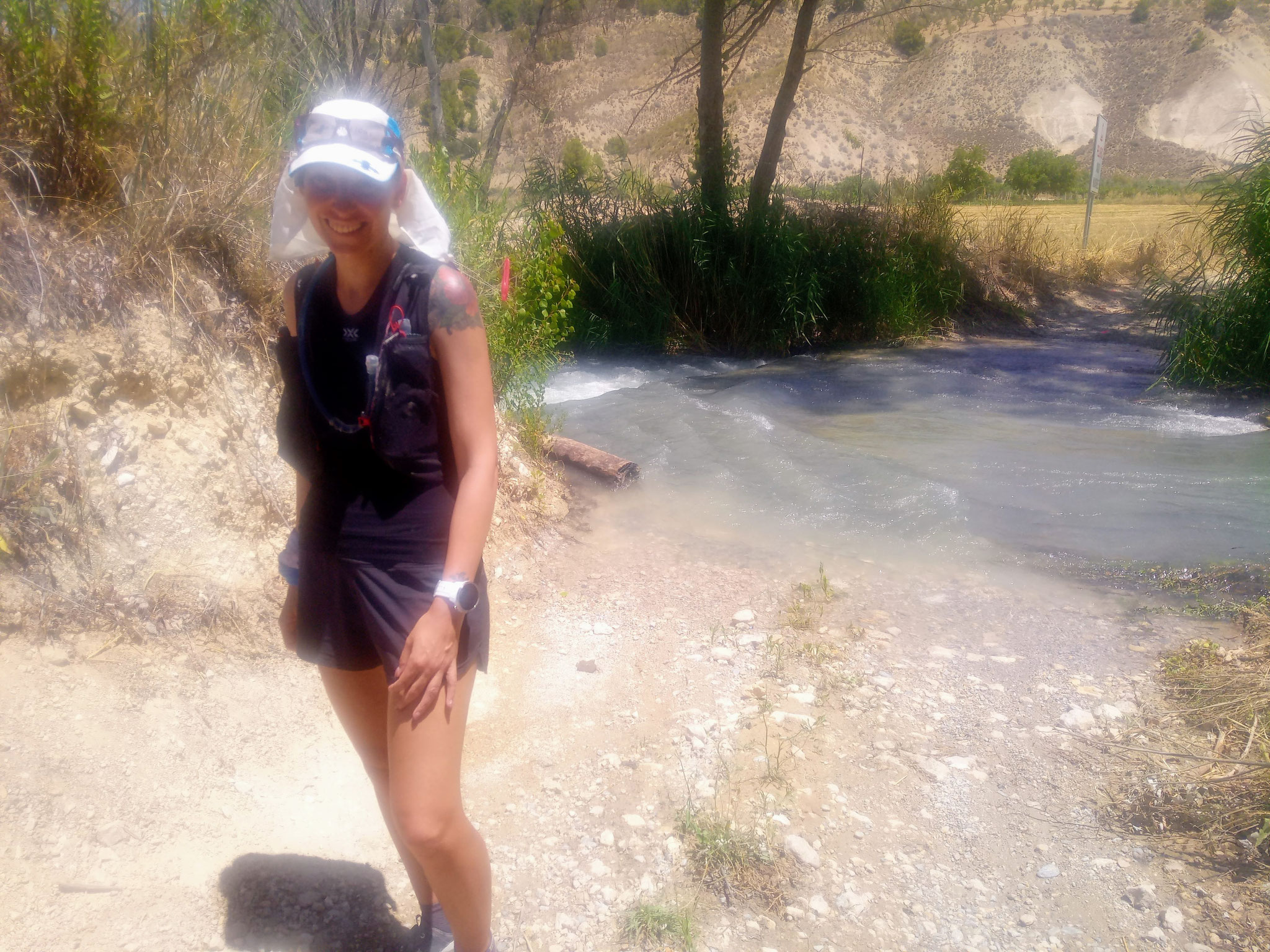
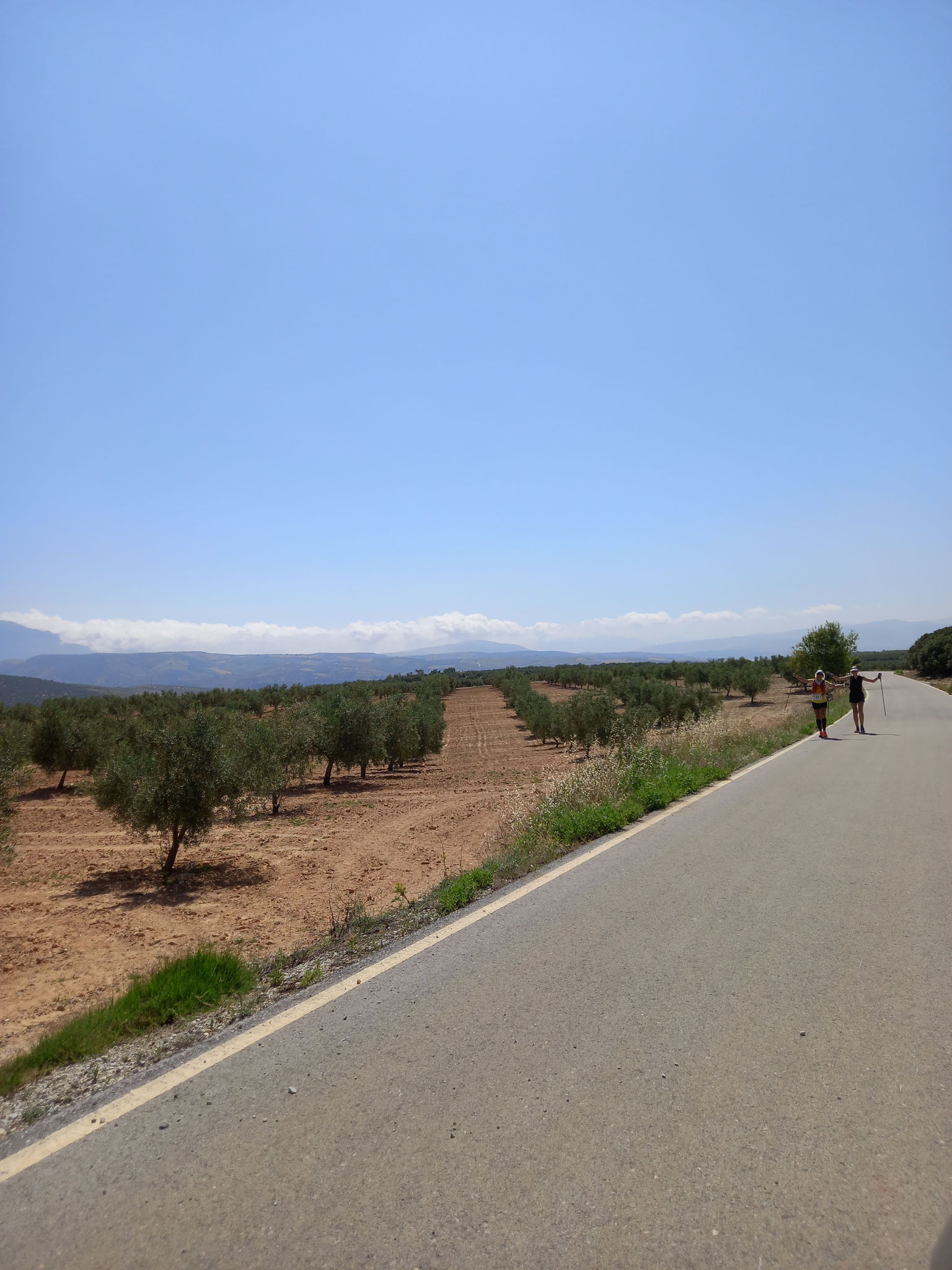
Then we continued together straight ahead, again with no more shade. We had now run almost 40 kilometres and there were still about 28 to go. Then we had to cross a small river. I took off my shoes and socks. The current was quite strong, so we tried to cross the river together. We got a little cooling down too. Then we moved on to the next aid station. We continued climbing through thorny bushes until we reached the top of an olive grove. Then we continued along a road on asphalt. It was still incredibly hot, so we took turns alternating between walking and running. We ran a few metres to the next tree or bend, then we walked again, then we ran a few metres more... right to the last checkpoint at kilometre 60. Only 7–8 kilometres remained. I continued alone, and although these last kilometres were mostly downhill, they seemed quite long. The area was dry and full of bushes. Then, suddenly, Alhama de Granada came into view. Just another 3–4 kilometres to go. I felt like I was lying on a barbecue, sizzling like a hamburger. Now, it was only two more kilometres alongside a lake to the campsite. After 10 hours and 68 kilometres, I finally reached the finish line! Wow, what a stage!
Now all that's left is the final stage back to Loja. And then it'll be over. I felt incredible calm and peace, but also a sense of sadness. Of course, I was looking forward to a shower, food and a bed. And to rest. But at the same time, I couldn't imagine leaving all this behind again. I had everything that fulfilled me. I didn't need anything else. In the evening, we had dinner together: Pasta and non-alcoholic beer. I wasn't very hungry, though, so I took some more Pasta to my tent and prepared everything for the last stage. Meanwhile, my running clothes were just lying on top of the tent. I didn't wash them anymore. It just didn't seem important to me. I slept well with an extra blanket provided by the staff, so that I wouldn't be freezing again.
Stage 5: My treasure
Now it was time to run the final 42 kilometres with an altitude difference of 1,000 metres from Alhama de Granada to Loja. It was the same route as stage 1, but in the reverse direction. Up to checkpoint 2, I ran with another runner and the time flew by. There was so much to chat about, and before I knew it, 20 km were over. I then ran on my own. Suddenly I saw all the last years of my life pass in review. And now I was here, in Andalusia, redeeming my gift. I had almost completed the AAUT that had been on my mind for around five years. Of course, I wanted to reach Loja and cross the finish line, but I also didn't want the journey to end. I slowed down so that I could savour the moment. I wanted to stay here for as long as possible. Then, overwhelmed with emotion, I started to cry. But they weren't tears of sadness. It was a feeling of overwhelming fulfilment. It was as if everything was being flushed out of me, relieving me. I then remembered a passage from The Alchemist: Santiago listens to his heart whispering in his ear that he must pay attention to the place where he begins to cry. For in that place his heart too will be, and there his treasure lies buried. I realised that the AAUT represented more than just a 'dream run' that I wanted to take part in. There was something magical and deeply fulfilling about this area. I also somehow knew that major changes were coming to my life. I already knew that I would leave my job in September. But it went beyond that change. At that time, I had no idea how to classify what I had experienced, what it meant, or how it would influence my future.
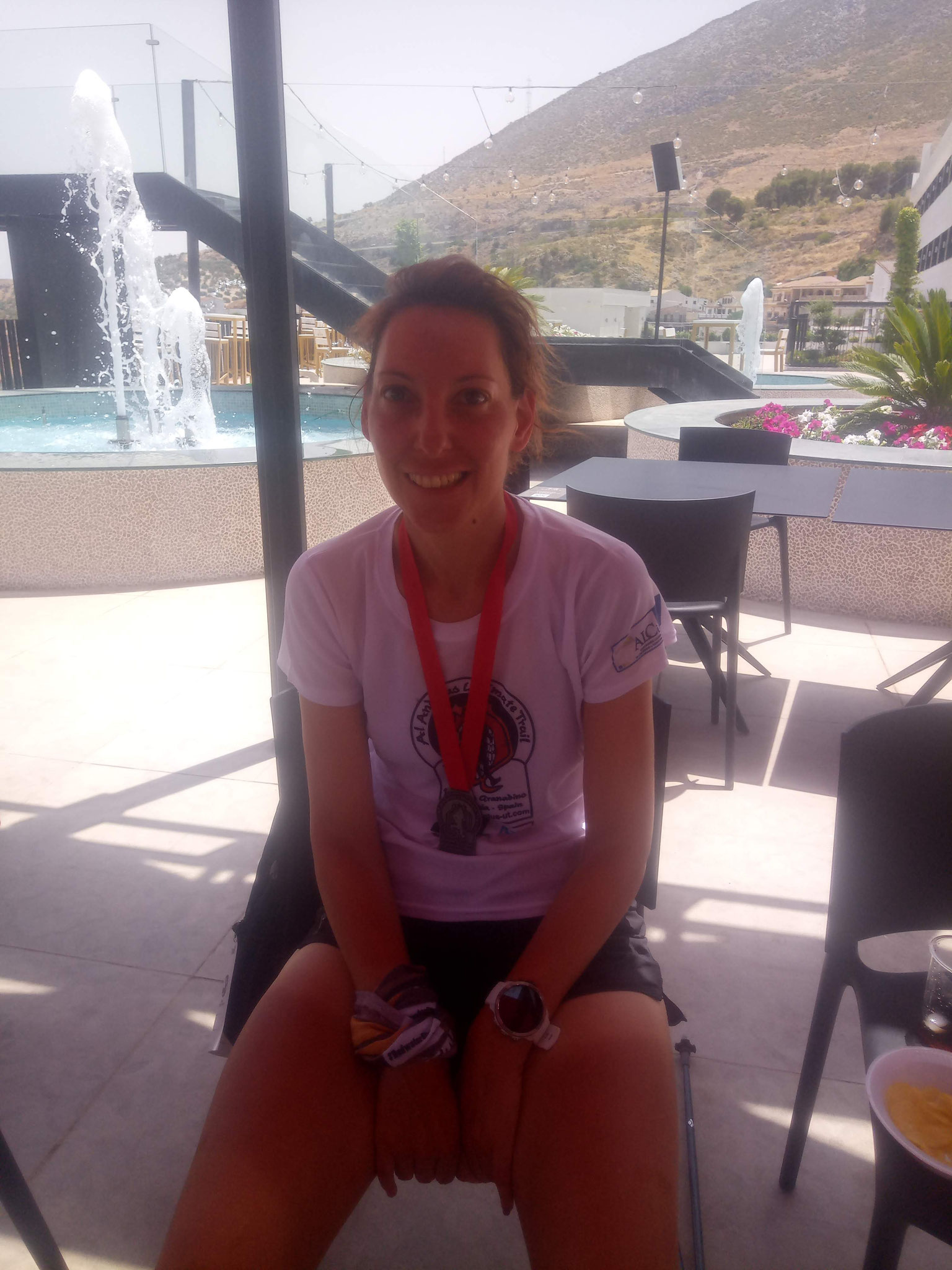
I caught myself and began to run the last 11 kilometres downhill, which was also challenging after covering 224 kilometres. But I didn't care how my legs felt. I just ran and was so happy. Then I crossed the road in Loja, heading straight for the Hotel El Mirador and the finish line. I had actually made it! It was all so overwhelming, but at that moment I was just happy sitting in a chair with Cola and chips, surrounded by all the great people I had met during the run.
As for the organisers, Michelle and Eric, and all the volunteers, I can't thank them enough for making such intense, unforgettable experiences possible. Without such impeccable care, organisation and security, such an adventure could be quite different. And let's not forget the unbelievably positive energy, motivation and friendliness!
In the evening, there was a gala dinner before everyone returned to 'normal' life the next day. My heart started to feel very heavy. The following weeks were also incredibly hard for me. I found it extremely difficult to leave Andalusia and integrate myself back into everyday life. My heart was still there. I didn't want to go back to my old life. The AAUT taught me something very important and gave me a valuable ability: to see the world through my heart. I found and opened my treasure.
Of course, this experience had an aftermath. Two weeks later, I signed up for another 220 km stage run in Andalusia in December. I had to go back and discover what had made my heart beat so strongly there. But that's another story.